
Promouvoir l’Accessibilité Inclusive pour les Familles au Canada
Les Perspectives des Parents et Proches Aidants ayant un handicap
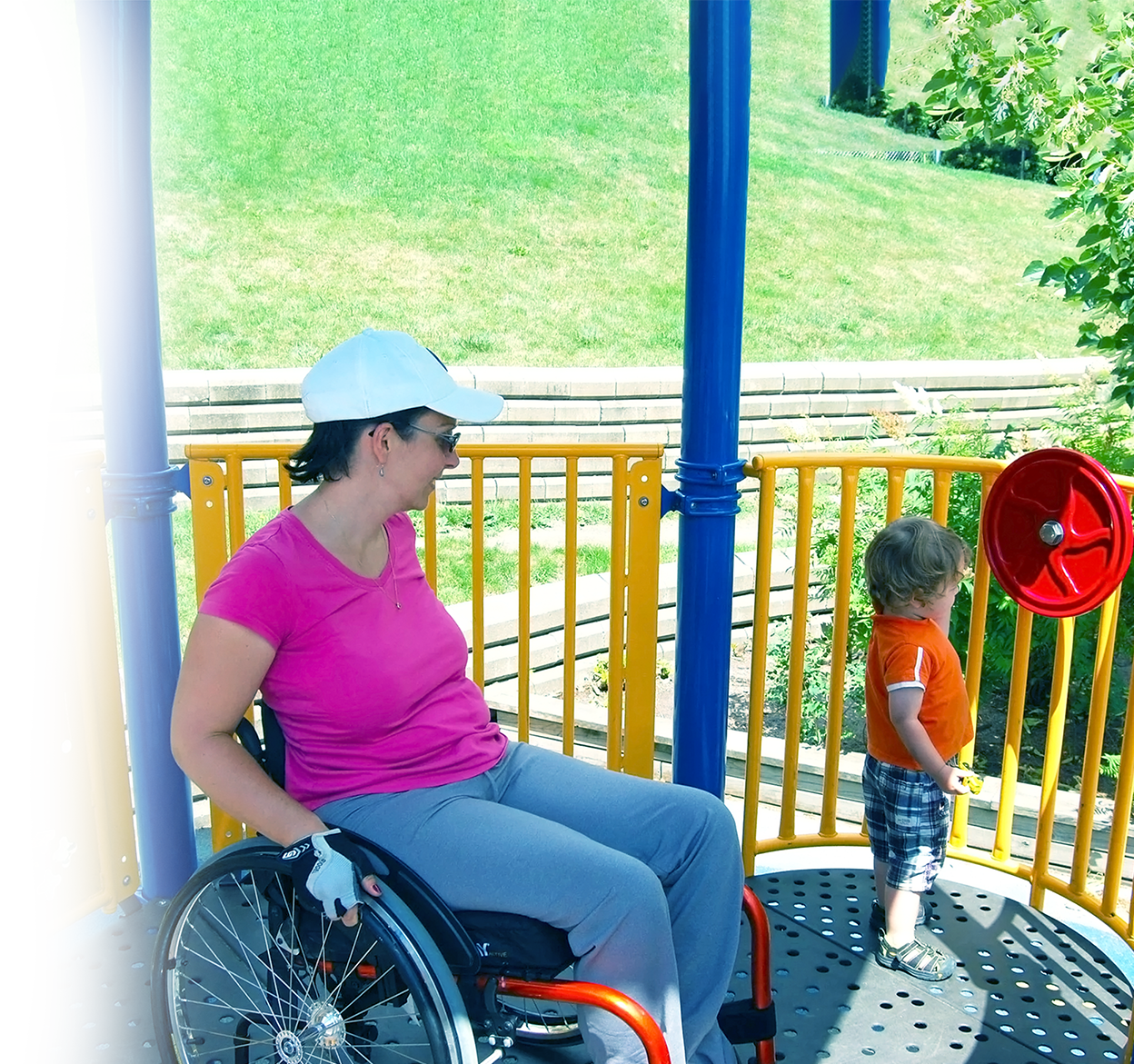

Documenter les expériences.

Identifier les barrières.

Élaborer des solutions.
Plus d’un Canadien sur quatre (27%) vit avec un handicap, pourtant les parents en situation de handicap sont rarement pris en compte dans la planification de l’accessibilité
Ce projet de recherche novateur met au cœur de la démarche les voix et les expériences des parents et des proches aidants en situation de handicap, alors qu’ils naviguent dans les espaces et les services sous réglementation fédérale partout au Canada.
Grâce à une approche de recherche participative menée en collaboration avec la communauté, nous documentons les obstacles que les familles rencontrent dans leur quotidien dans les parcs nationaux, les musées, les réseaux de transport, les services fédéraux et bien d’autres lieux, tout en travaillant ensemble à l’élaboration de solutions concrètes et porteuses de changement.
Pourquoi Cette Recherche Est Importante
Bien qu’ils représentent une part importante de la population, les parents en situation de handicap continuent de faire face à des obstacles persistants :
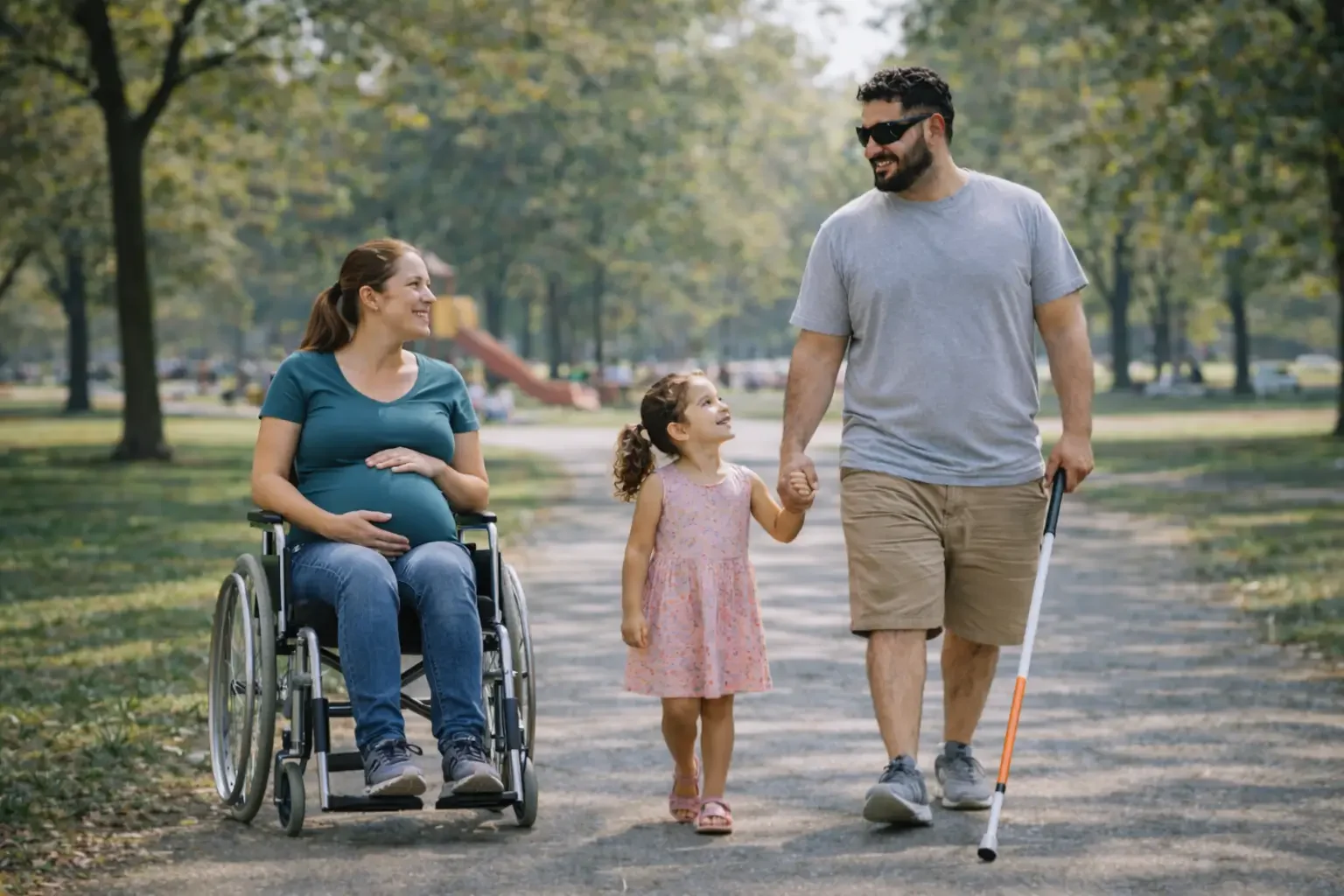
1 femme enceinte sur 8 en Ontario vit avec un handicap.

1 parent sur 5 au Québec vit avec un diagnostic lié à la santé, un handicap ou une condition chronique.
Les familles rencontrent des obstacles liés au logement, aux services de garde, au transport et aux espaces publics.
Les possibilités d’inclusion des enfants dans leur communauté sont directement influencées par ces obstacles
Une approche de l’accessibilité centrée sur les familles est essentielle afin que les familles dirigées par des parents ou des proches aidants en situation de handicap puissent participer pleinement à la vie de leur communauté et exercer leur rôle de proche aidant, comme toutes les autres familles au Canada
Promouvoir des Normes d’Accessibilité Inclusives pour les Familles au Canada
L’Accessibilité Universelle : Perspectives de Parents en Situation de Handicap
Découvrez des vidéos de formations introductives en Français et en Anglais présentant les expériences vécues et les perspectives de parents en situation de handicap
Choose Your Language / Choisissez votre langue
English
Français
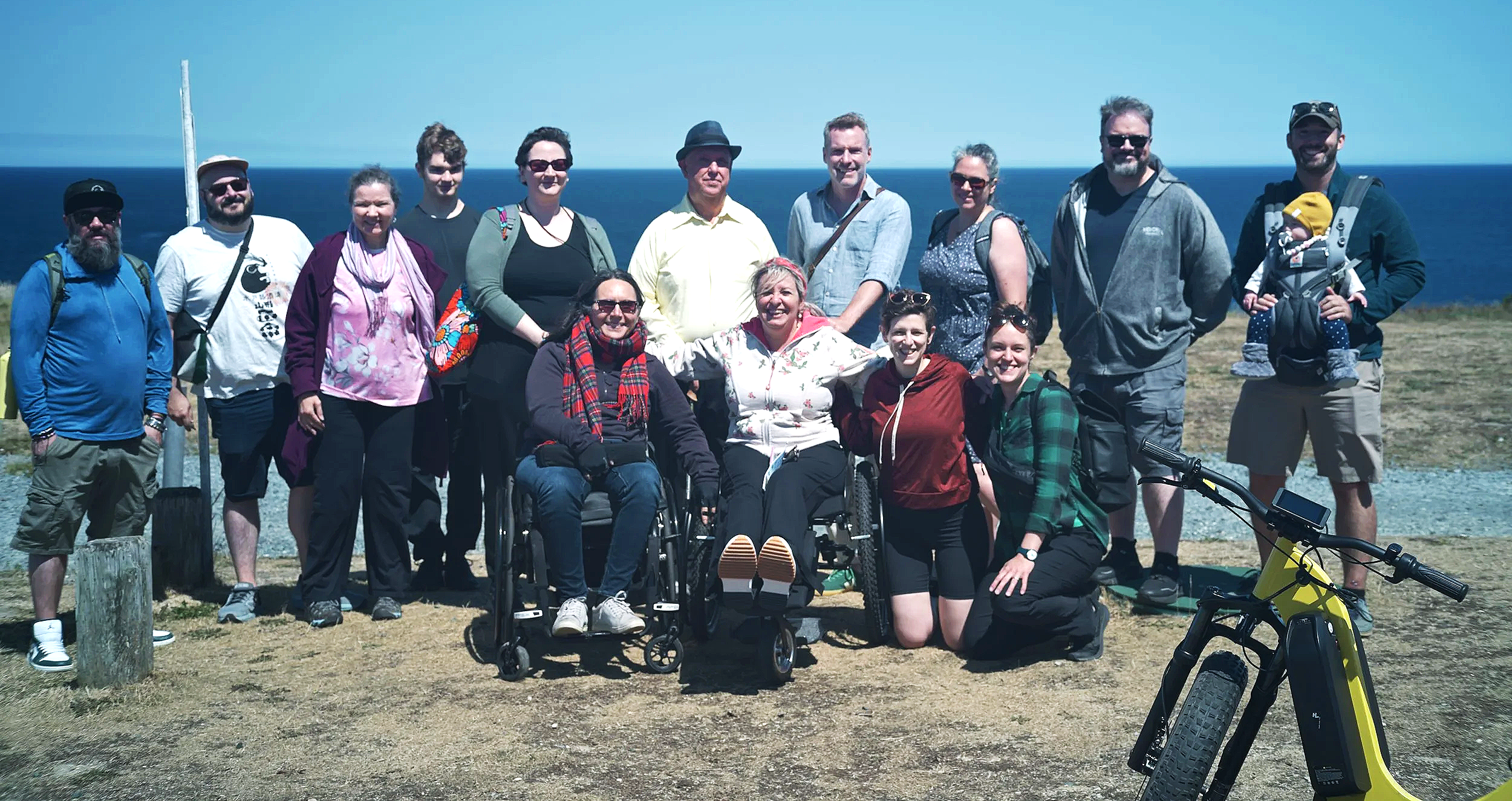
Photo credit: Justice Ferreira
Ce projet novateur mené par la communauté vise à :
01.
Explorer les expériences vécues directement par des parents ayant différentes situations de handicap et leurs familles dans les environnements sous réglementation fédérale
02.
Documenter les barrières et les éléments favorisant l’accessibilité à l’aide de photographies, d’enregistrements et de récits personnels
03.
Identifier les défis spécifiques rencontrés dans différents espaces, notamment :
Parcs nationaux et sites patrimoniaux
Musées nationaux et institutions culturelles
Transports fédéraux (aérien, ferroviaire, autobus interprovinciaux et traversiers)
Services fédéraux (banques, bureaux de passeport et édifices gouvernementaux).
04.
Élaborer des recommandations fondées sur des données probantes afin de créer des normes d’accessibilité véritablement inclusives pour les familles
05.
Mettre au premier plan les expériences vécues et l’expertise des parents en situation de handicap tout au long du processus de recherche
Nous souhaitons comprendre comment les parents en situation de handicap vivent et adaptent leurs activités quotidiennes avec leurs enfants :
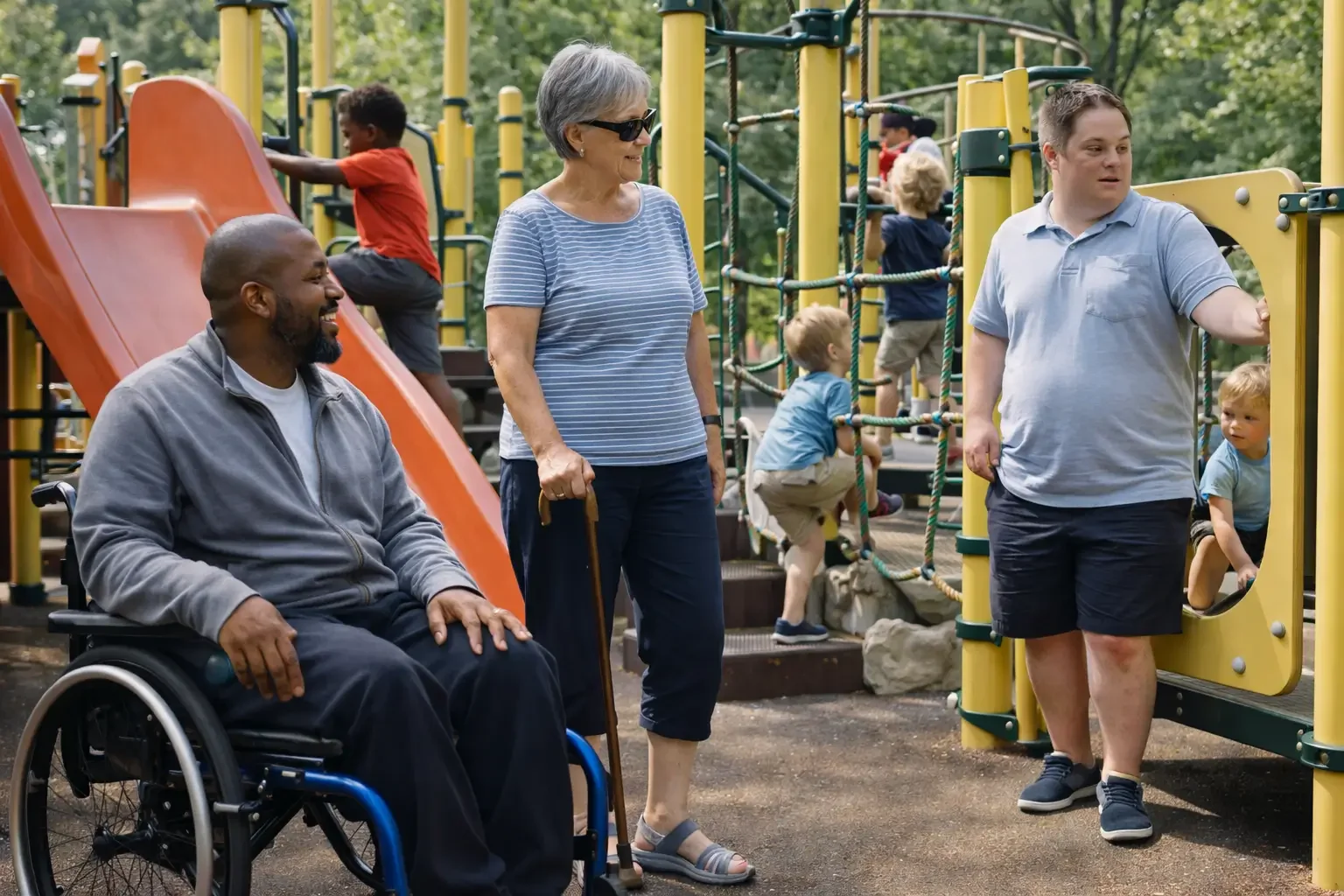
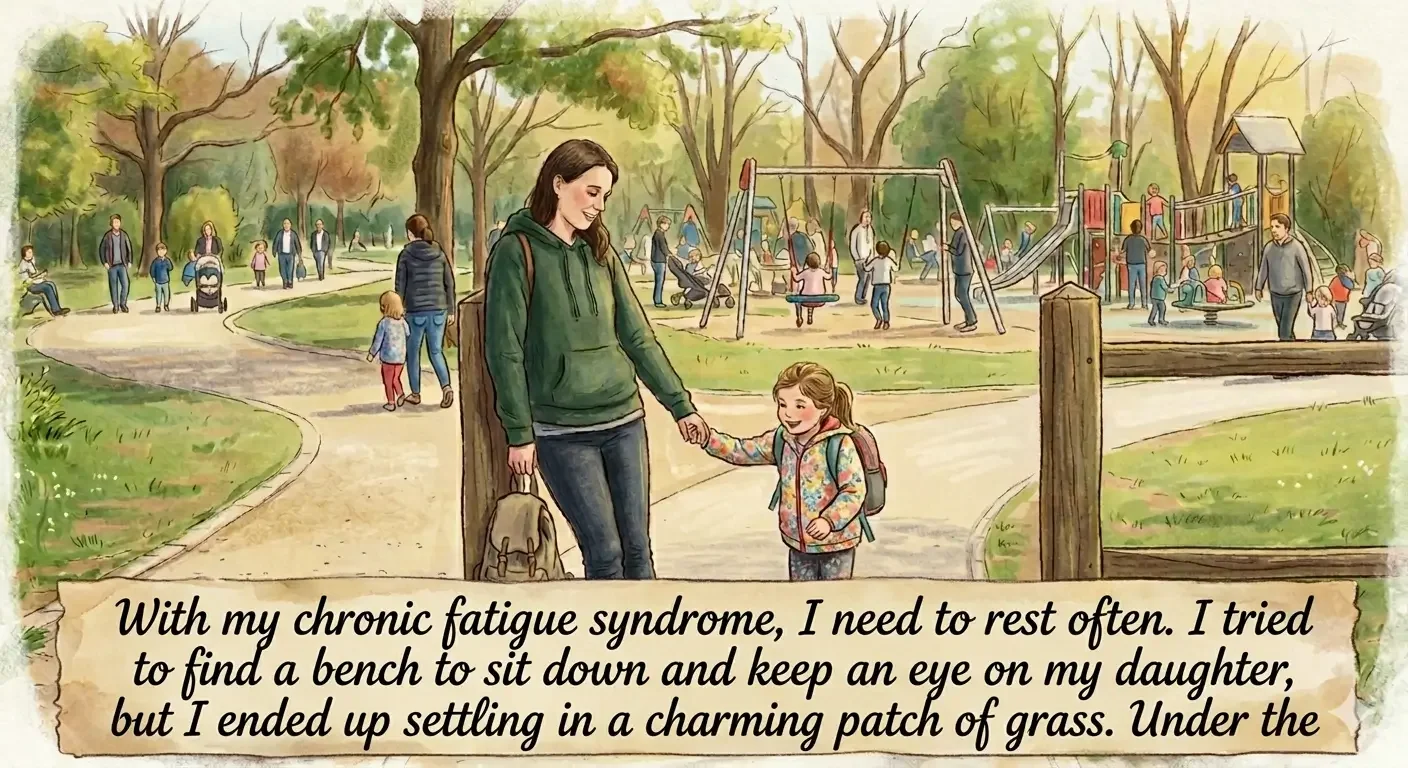
Accéder aux équipements des aires de jeux et assurer la supervision des enfants dans les espaces extérieurs.
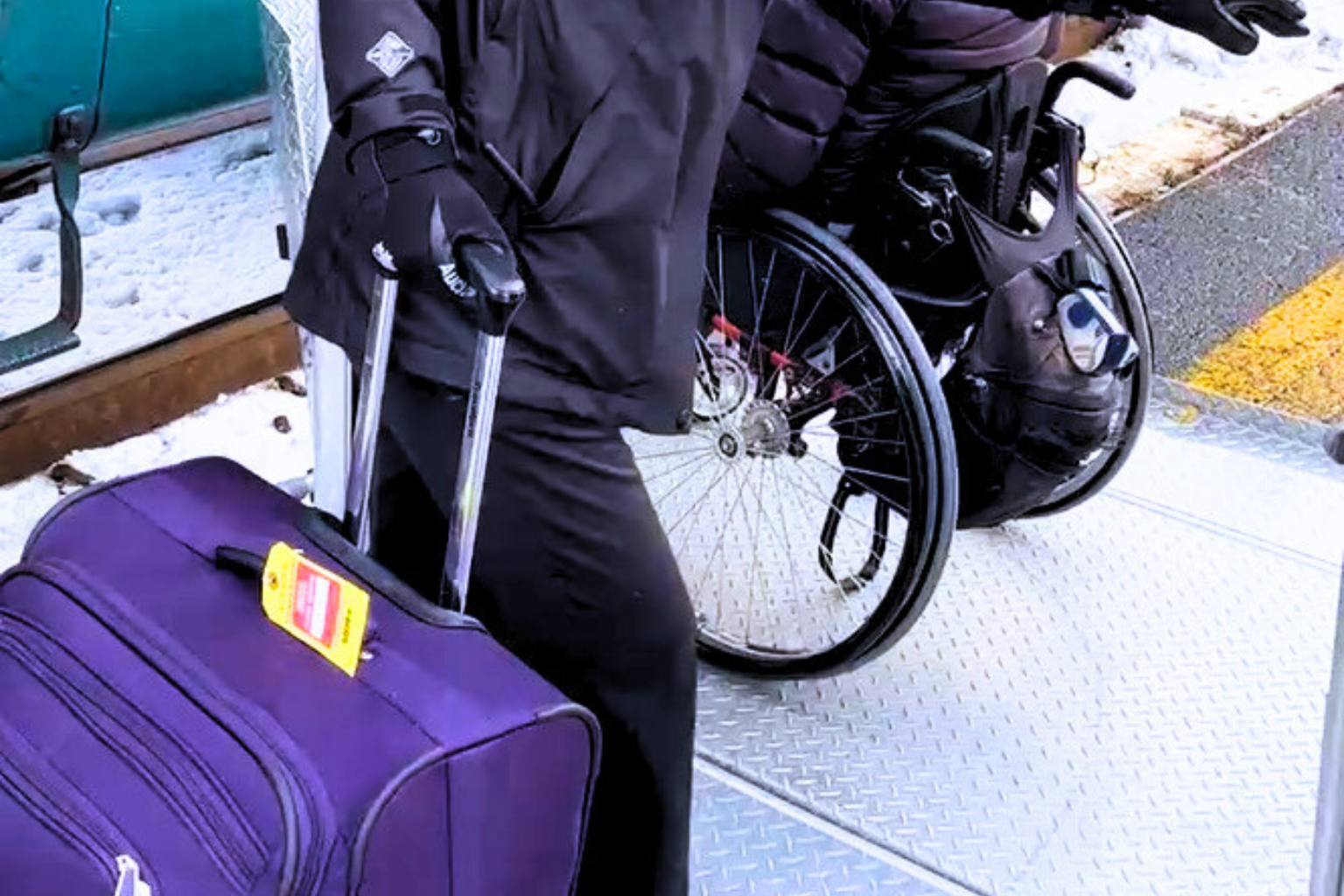
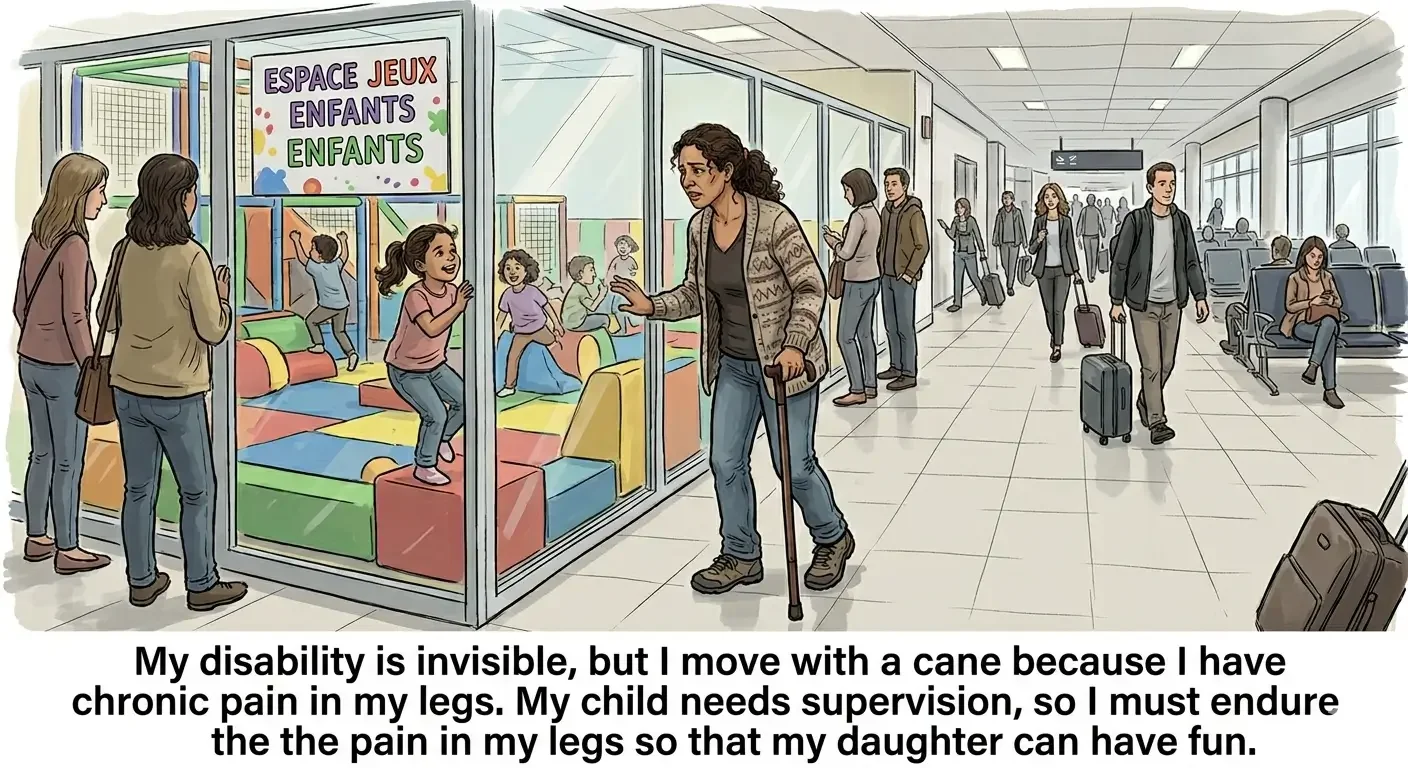
Se déplacer dans les aéroports, les gares ferroviaires et les terminaux de traversiers avec des enfants et des bagages.
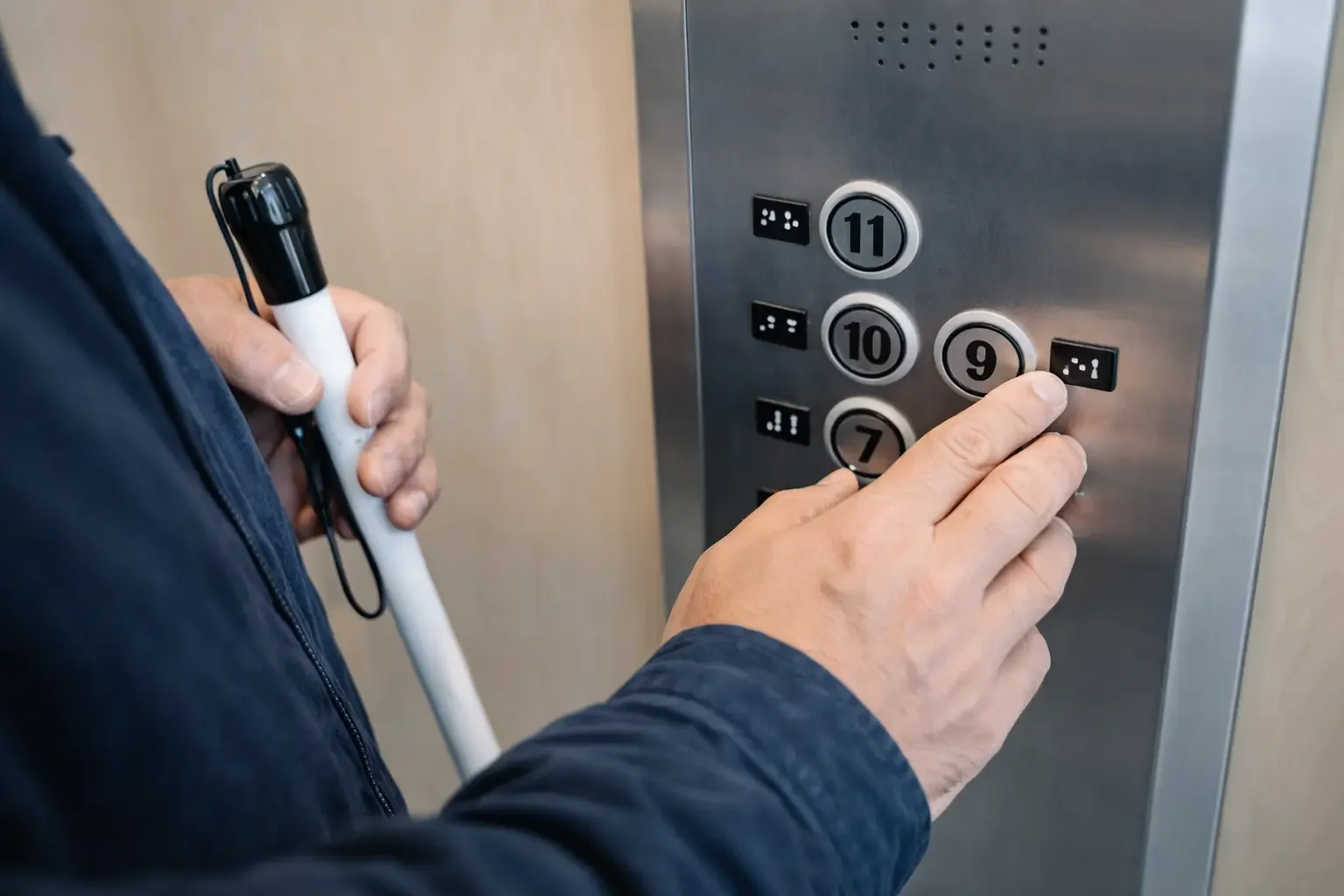
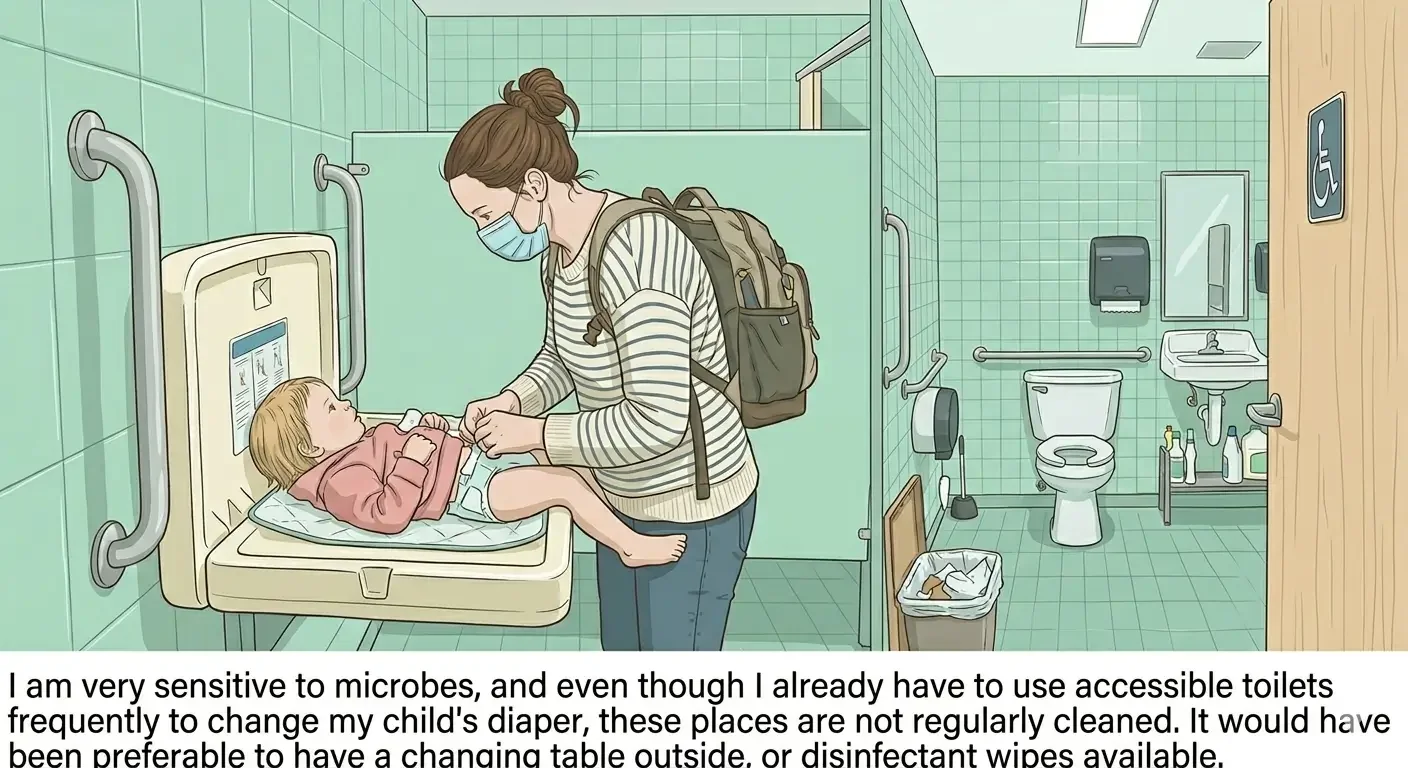
Naviguer dans les éléments architecturaux, tels que les rampes d’accès, les ascenseurs et les installations sanitaires avec leurs enfants
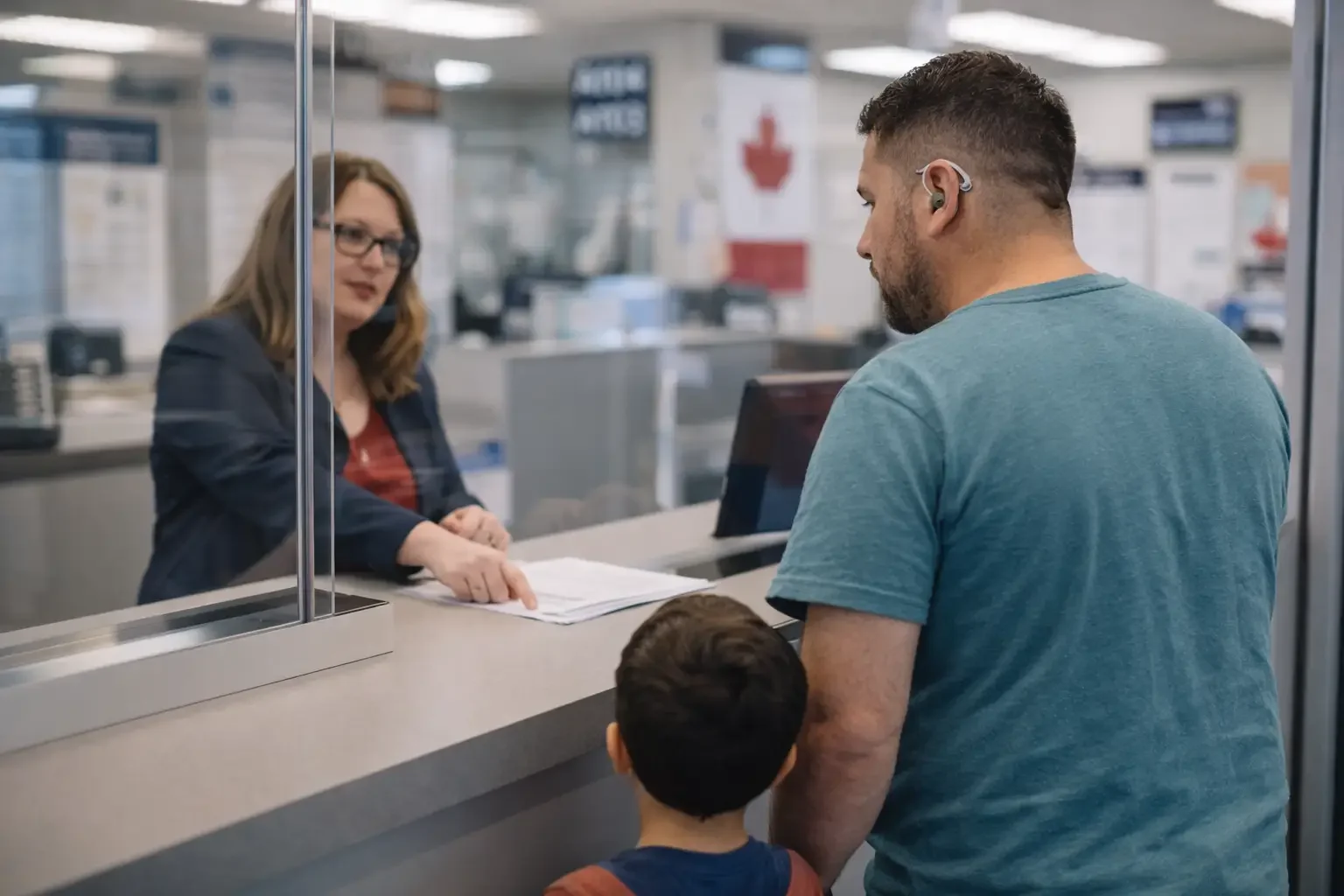
Interagir avec les employés des services fédéraux et les fournisseurs de services.
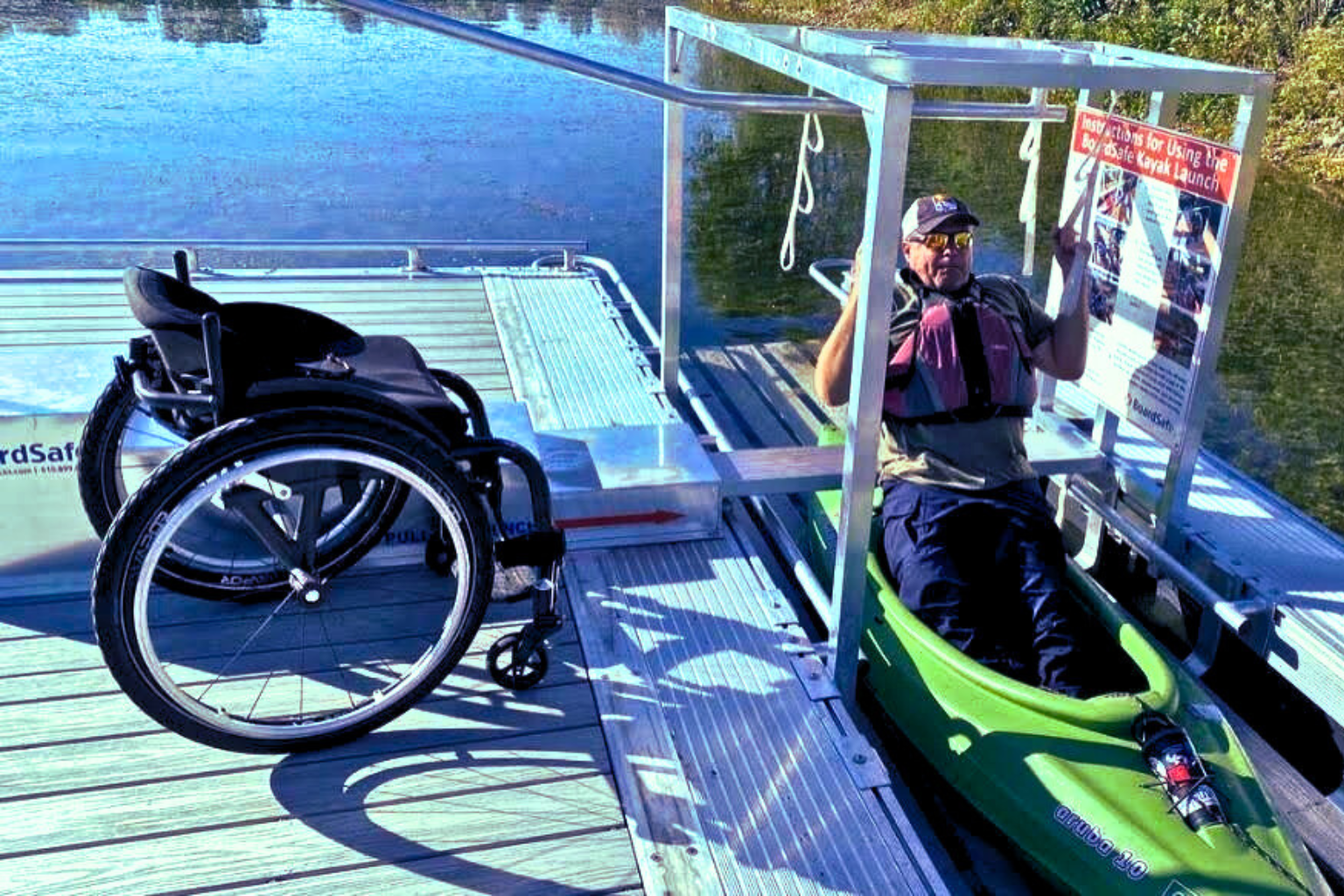
Trouver et utiliser des équipements adaptés (poussettes, chariots, etc.) dans les attractions touristiques et assurer la supervision des enfants dans les espaces extérieurs.
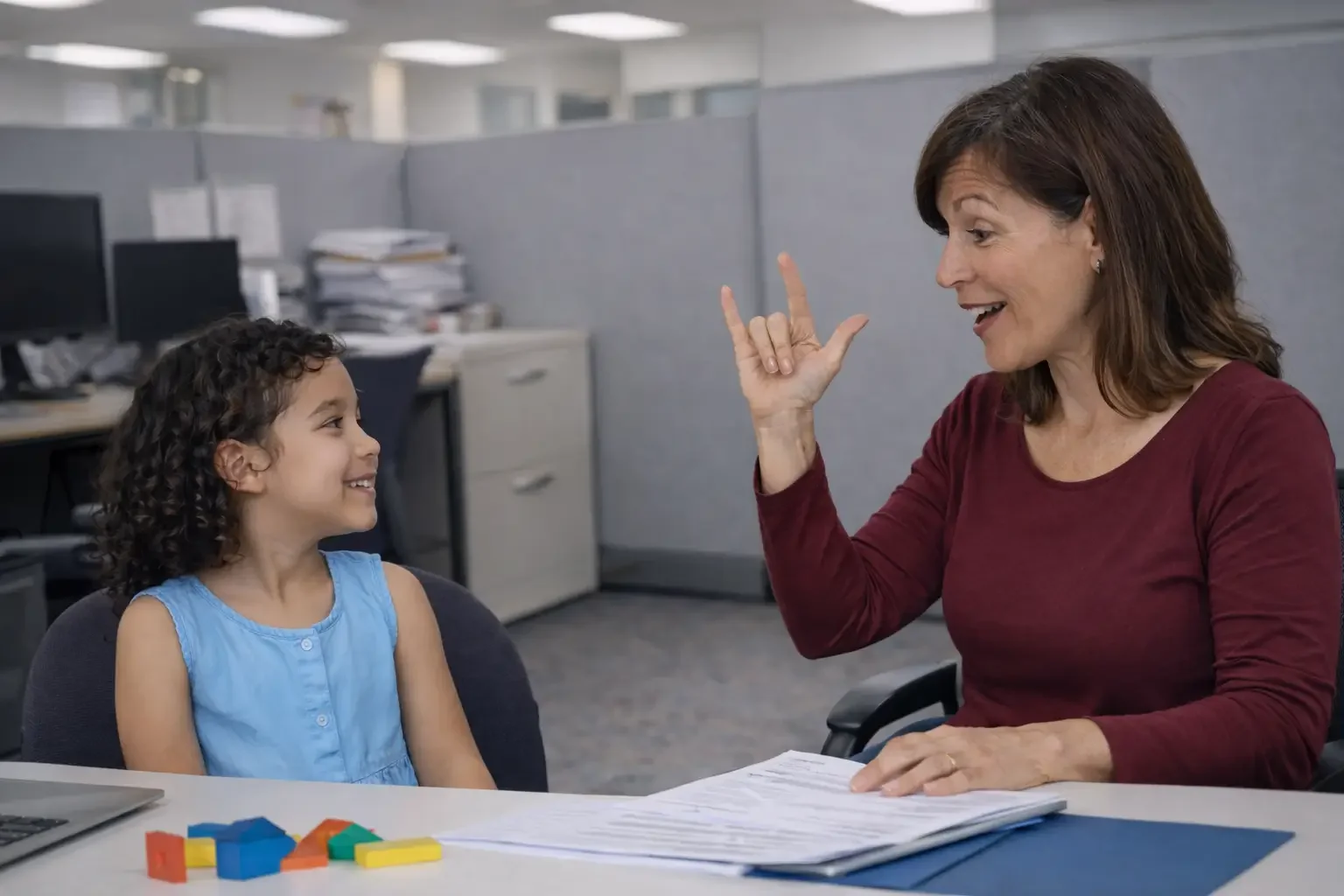
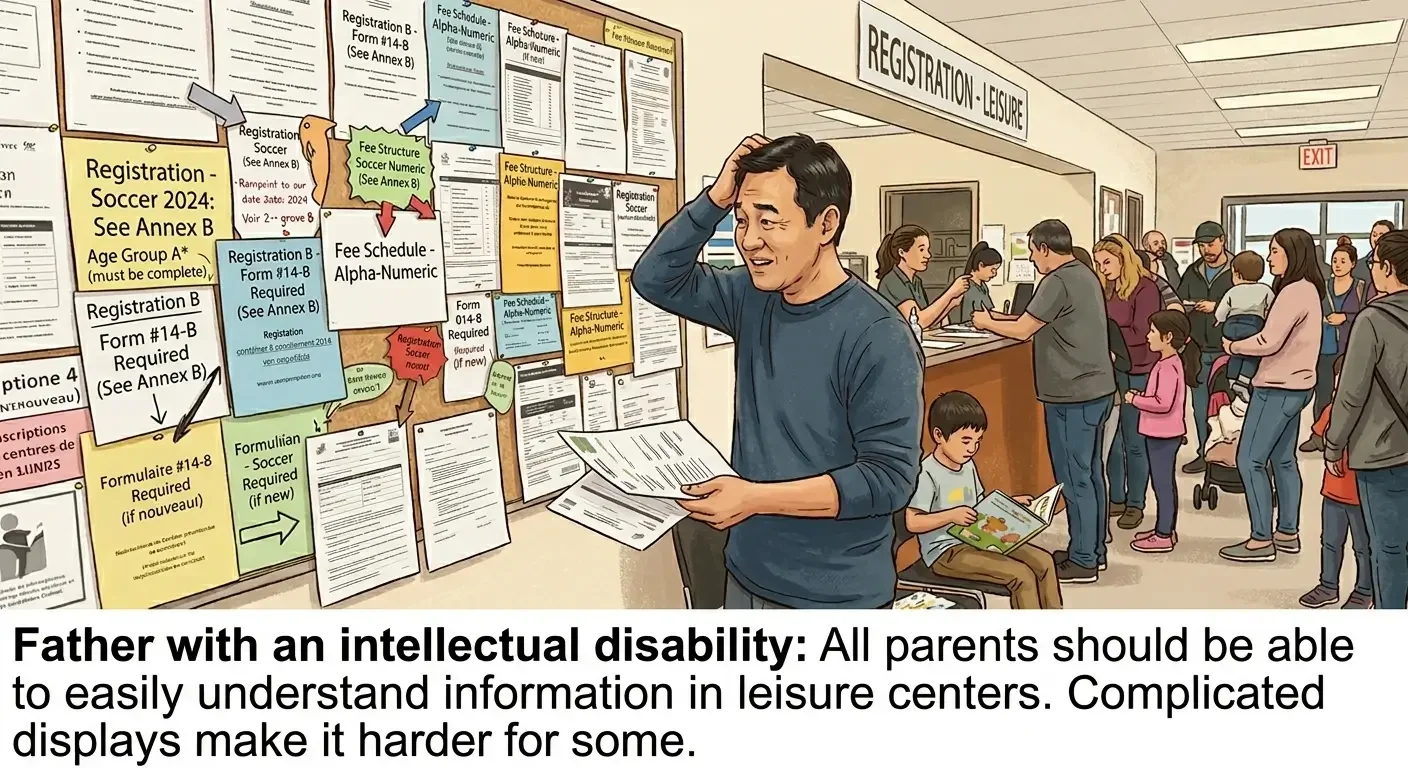
Gérer la documentation et les formulaires administratifs tout en prenant soin de leurs enfants.
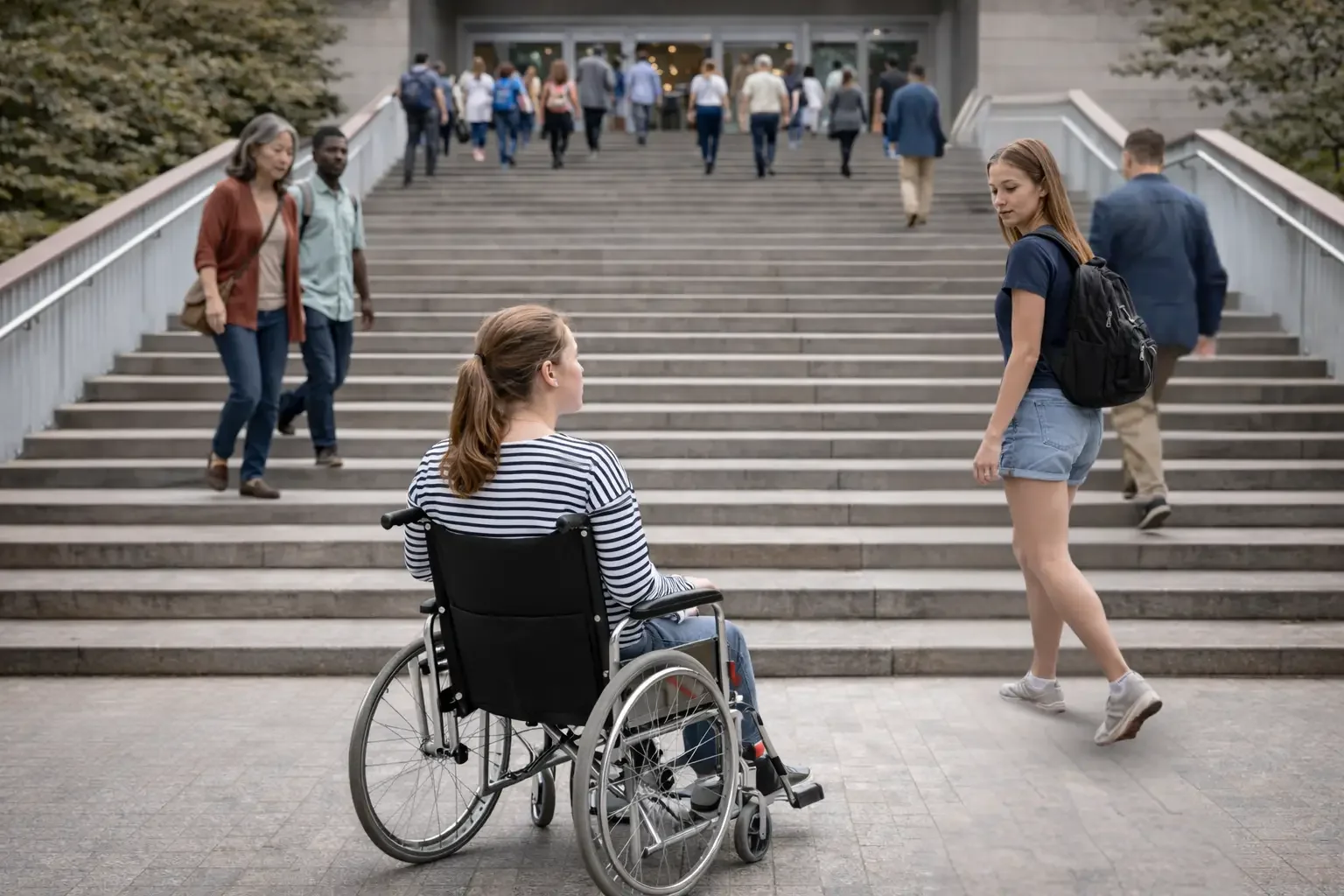
Faire face aux obstacles liés aux attitudes du personnel et du public
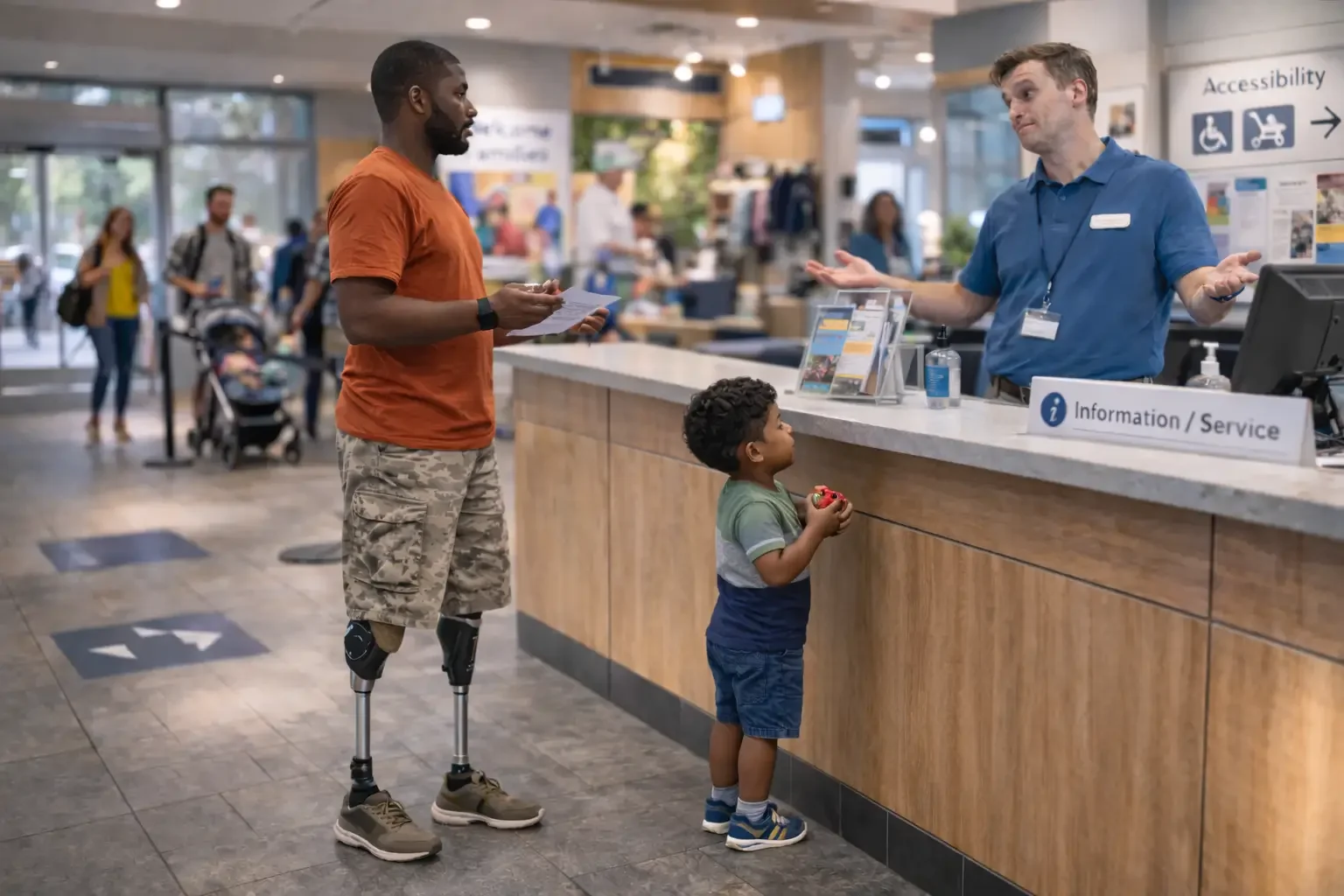
Défendre leurs droits et répondre aux besoins de leurs enfants
Exemple de la Photovoix en Action
Exemples Concrets Tirés De Notre Équipe
Voici quelques exemples des types d’obstacles liés à l’accessibilité et des solutions que la photovoix peut documenter.
Ces exemples démontrent comment la photovoix permet de saisir non seulement les obstacles existants, mais également la façon dont ceux-ci influencent concrètement la vie des familles dans des situations réelles. L’impact émotionnel - la frustration, l’humour et la résilience - ressort d’une manière que les statistiques seules ne peuvent pas transmettre.
-
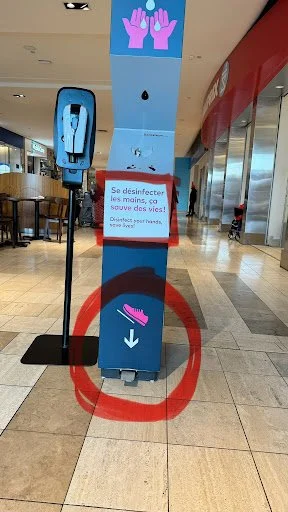
![Hand-activated sensor button placed too high on a shopping mall pillar]()
"Si seulement je pouvais APPUYER DESSUS ! »
Contexte: les dispositifs d’accessibilité qui sont installés, mais placés à des hauteurs inaccessibles pour les personnes en fauteuil roulant, créer une illusion d’accessibilité sans offrir une réelle fonctionnalité.
-
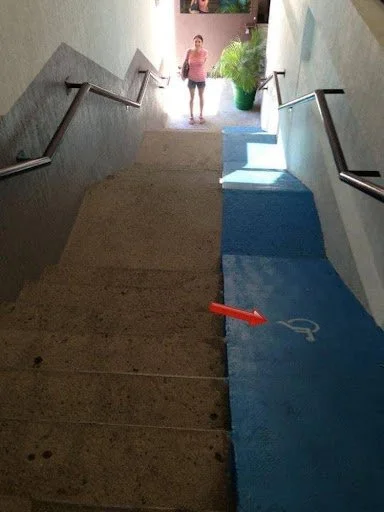
![Dangerous ramp with steep drop and no safety barriers]()
"Ouais c'est ça... Je n'ai pas envie de mourir aujourd'hui ! »
Contexte: Les rampes qui ne respectent pas les normes de sécurité exposent les parents ayant des limitations liées à la mobilité et leurs enfants à des risques importants.
-
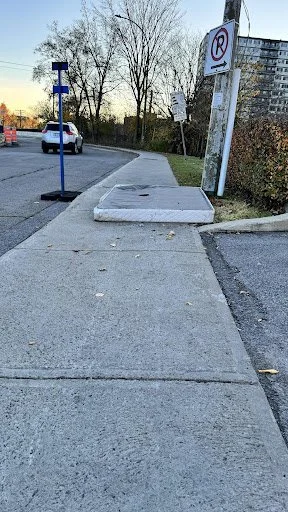
![Sidewalk with raised curb making rolling access impossible]()
"Belle utilisation du trottoir... mais impossible pour moi d'y circuler en fauteuil ! »
Contexte: Les améliorations aux infrastructures qui ne tiennent pas compte de la conception universelle excluent les personnes en situation de handicap des espaces publics.
-
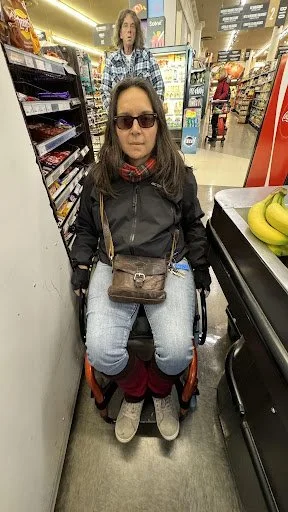
![Person in mobility scooter unable to reach payment terminal]()
"Bon... je suppose que je paierai pas alors ! »
Contexte: Les comptoirs de service et les systèmes de paiement conçus sans tenir compte de la diversité des postures et des capacités physiques créent des obstacles inutiles à l’autonomie.
-
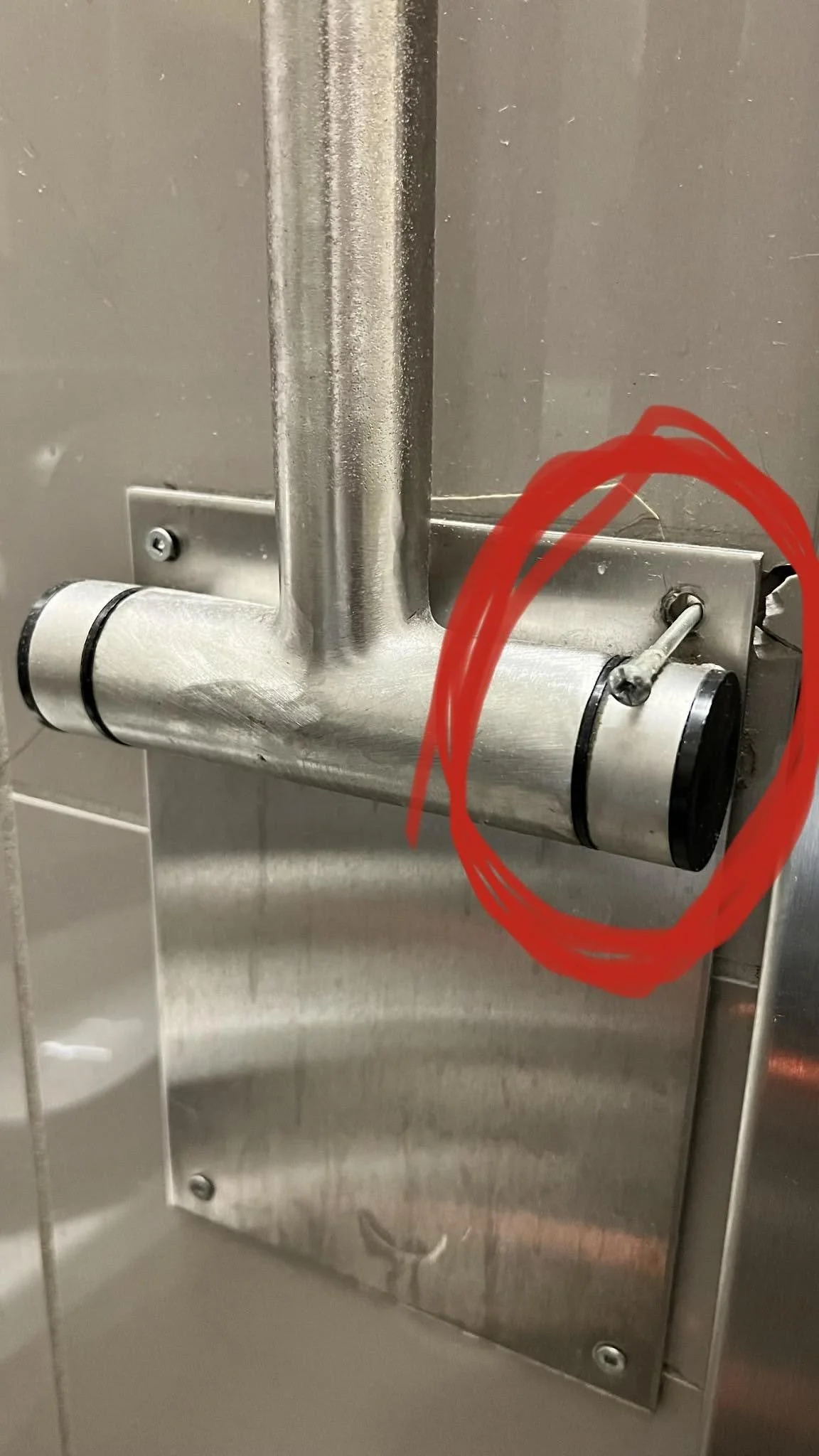
![Broken door handle with metal piece hanging out]()
« C'est une chose de rendre un endroit accessible, mais pour assurer l'accès, il faut aussi l'entretenir ! »
Contexte: L’accessibilité ne se limite pas à l’installation initiale de mesures adaptées ; un entretien continu est essentiel pour maintenir l’accès à long terme,
-
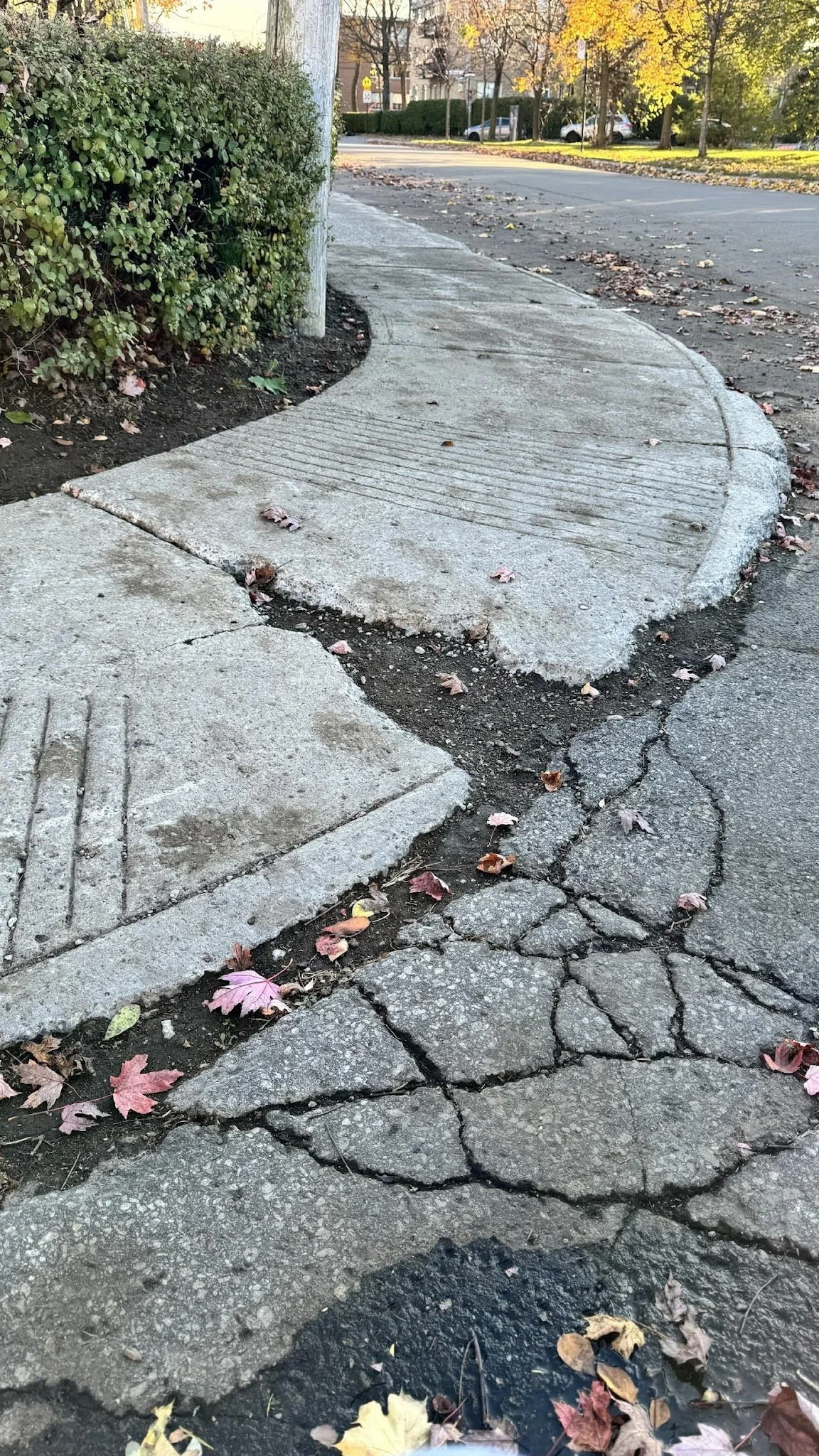
![Badly cracked sidewalk creating tripping hazards and obstacles]()
« C'est une chose de rendre un endroit accessible, mais pour assurer l'accès, il faut aussi l'entretenir ! »
Contexte: La détérioration des infrastructures affecte particulièrement les personnes ayant des limitations liées à la mobilité ainsi que les parents qui doivent gérer des enfants et de l’équipement.
-
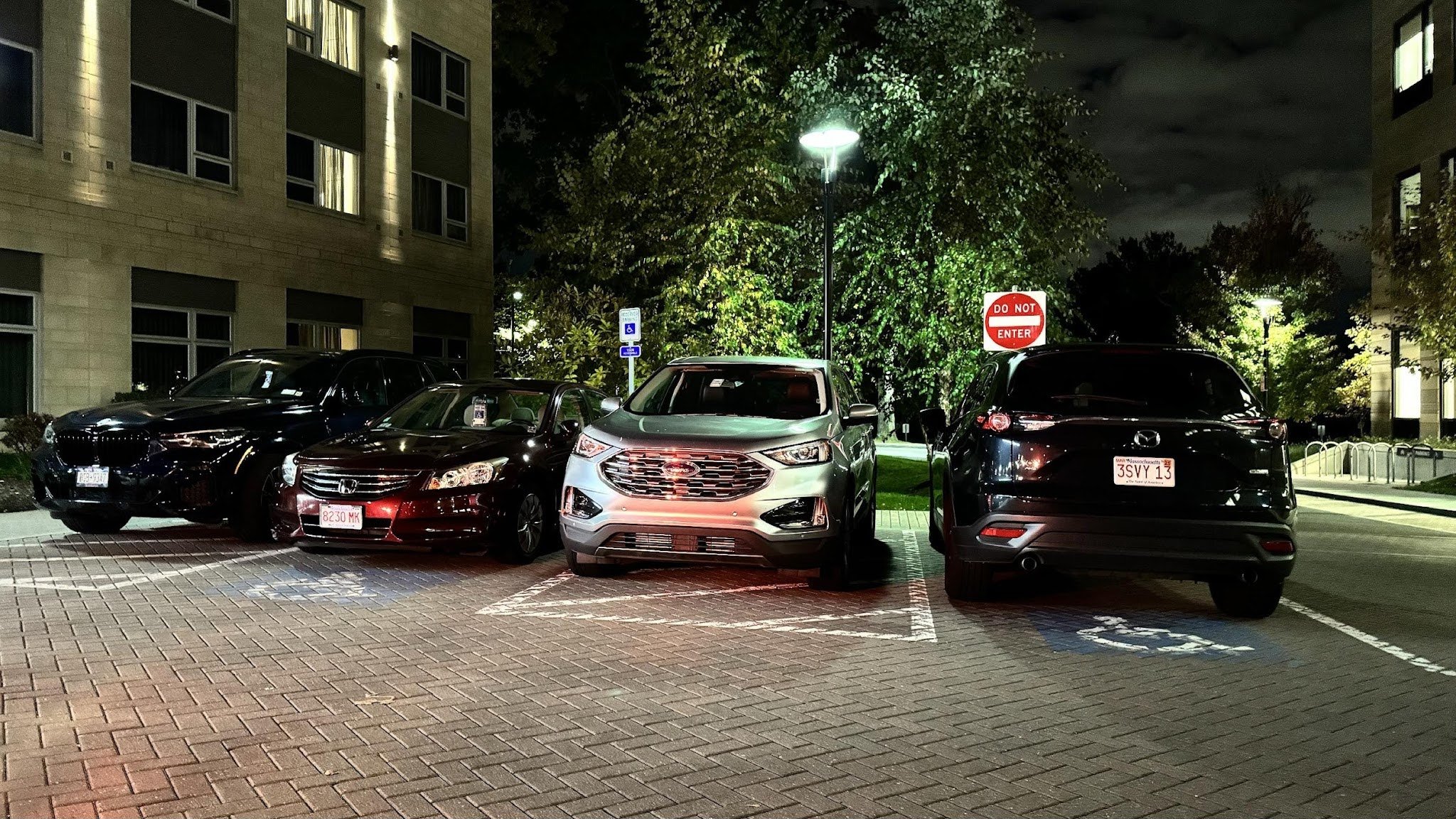
![Parking lot at night with cars blocking accessible spaces]()
« Où suis-je censé me stationner, en tant que parent qui a besoin d'une place de stationnement accessible ? »
Contexte: L’application des règles concernant les places de stationnement accessibles est aussi importante que leur disponibilité.
-
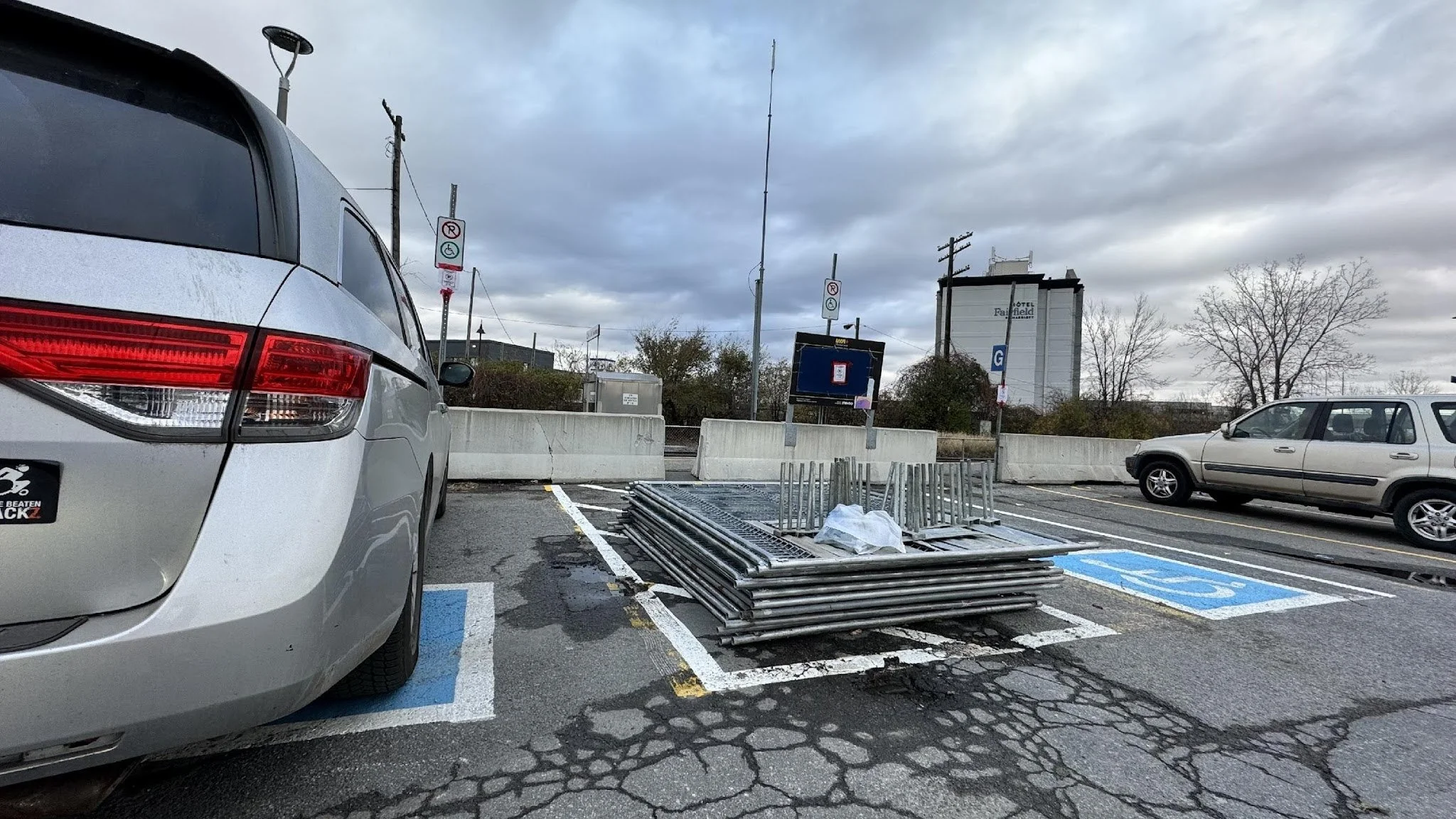
![Construction zone with metal fencing placed directly on accessible parking spot]()
« Où suis-je censé me stationner, en tant que parent qui a besoin d'une place de stationnement accessible ? »
Contexte: Les travaux temporaires éliminent souvent les places de stationnement accessibles sans offrir d’alternatives, en supposant que les personnes en situation de handicap peuvent simplement « se stationner ailleurs ».
L’Accessibilité dans la Vie Quotidienne
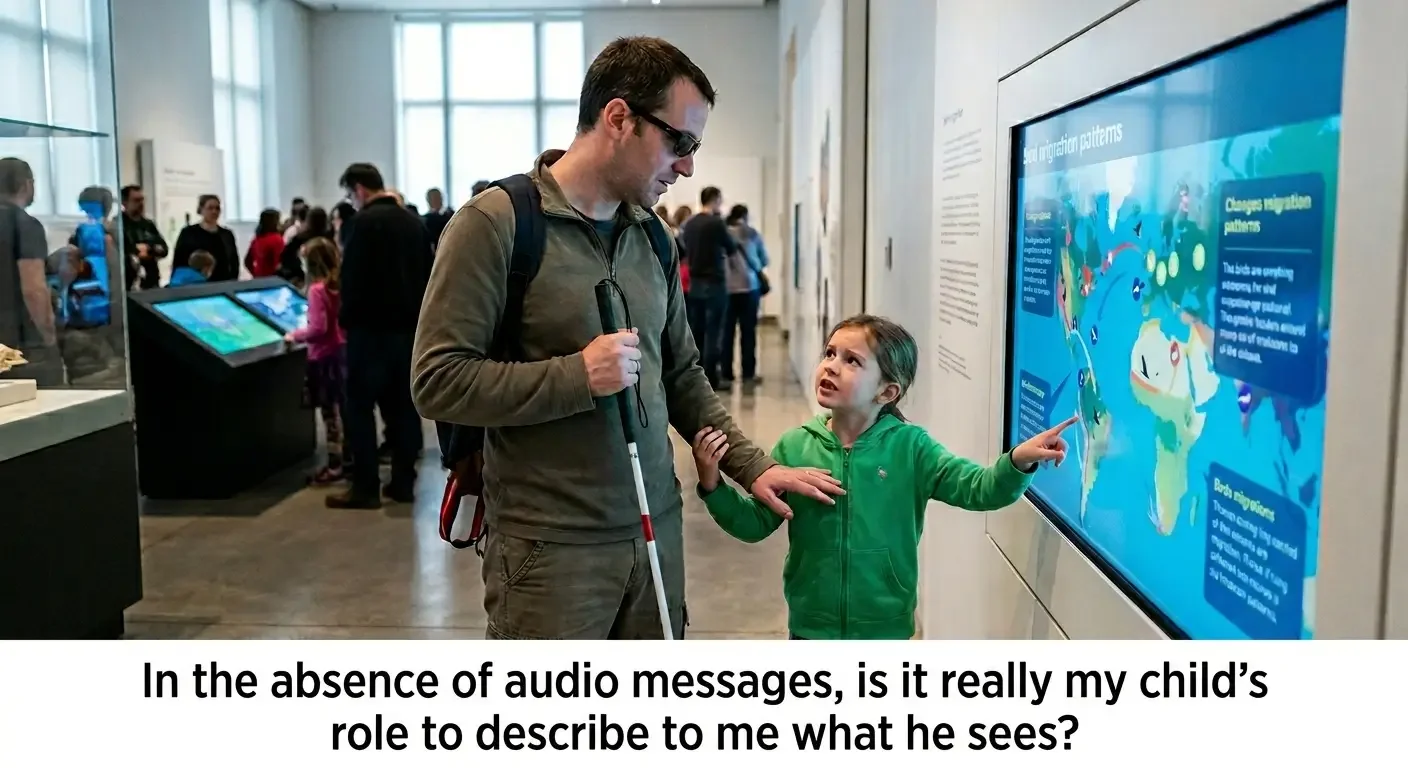
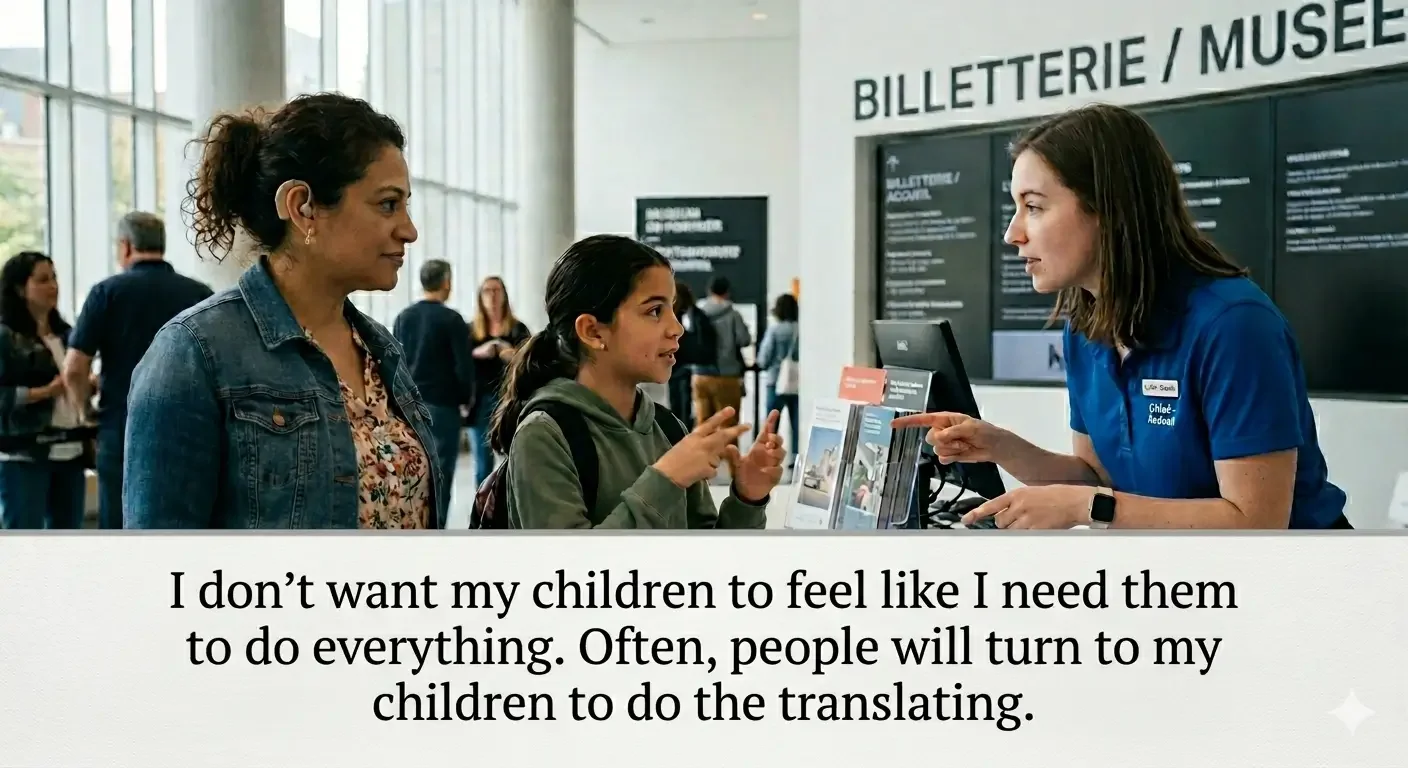
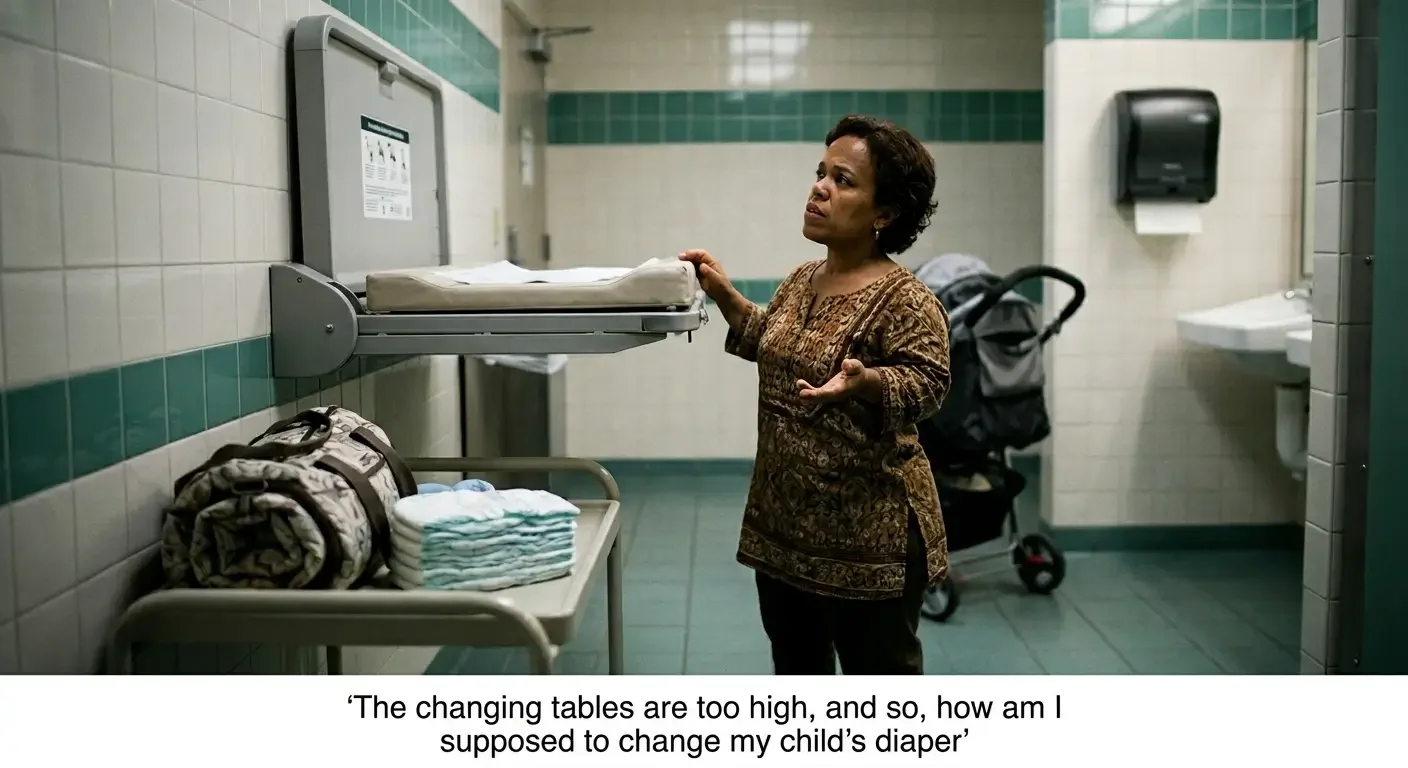
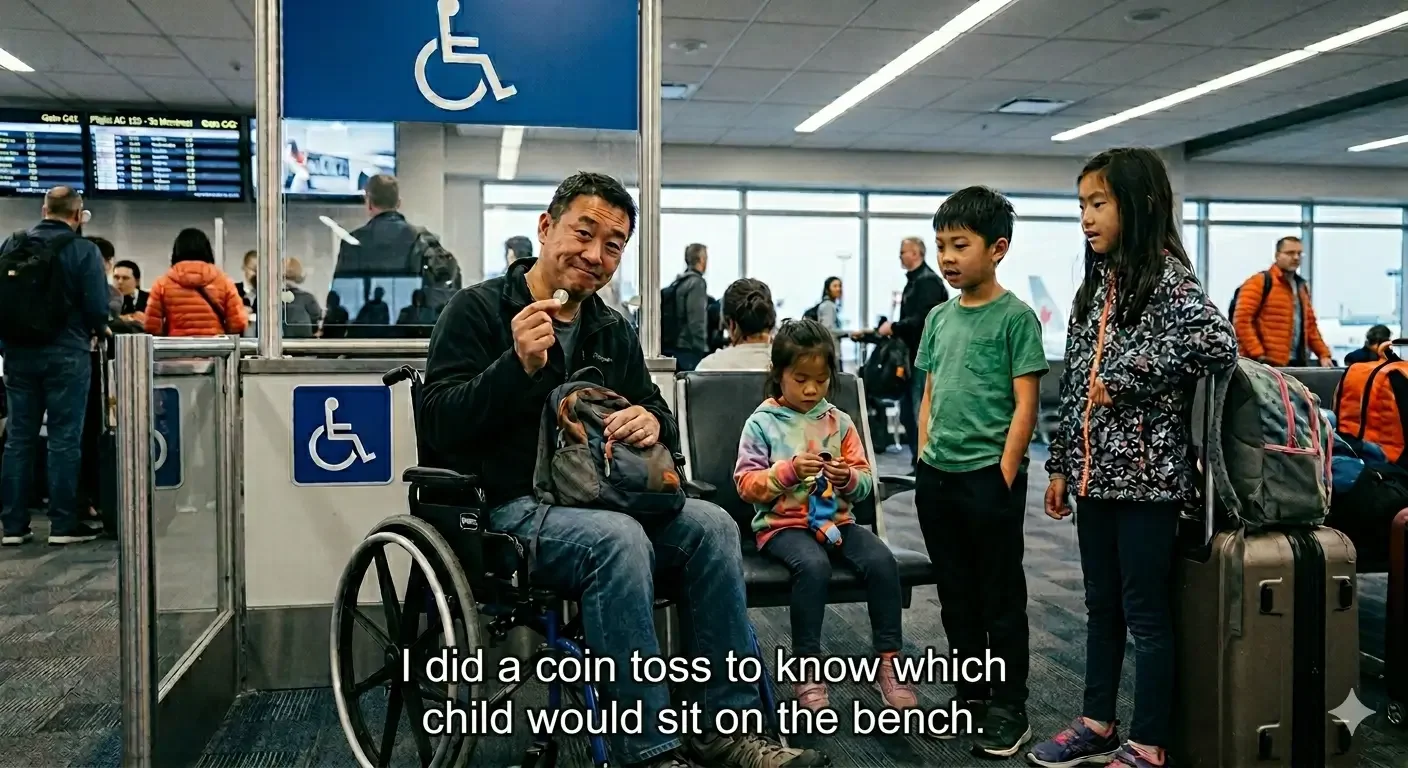
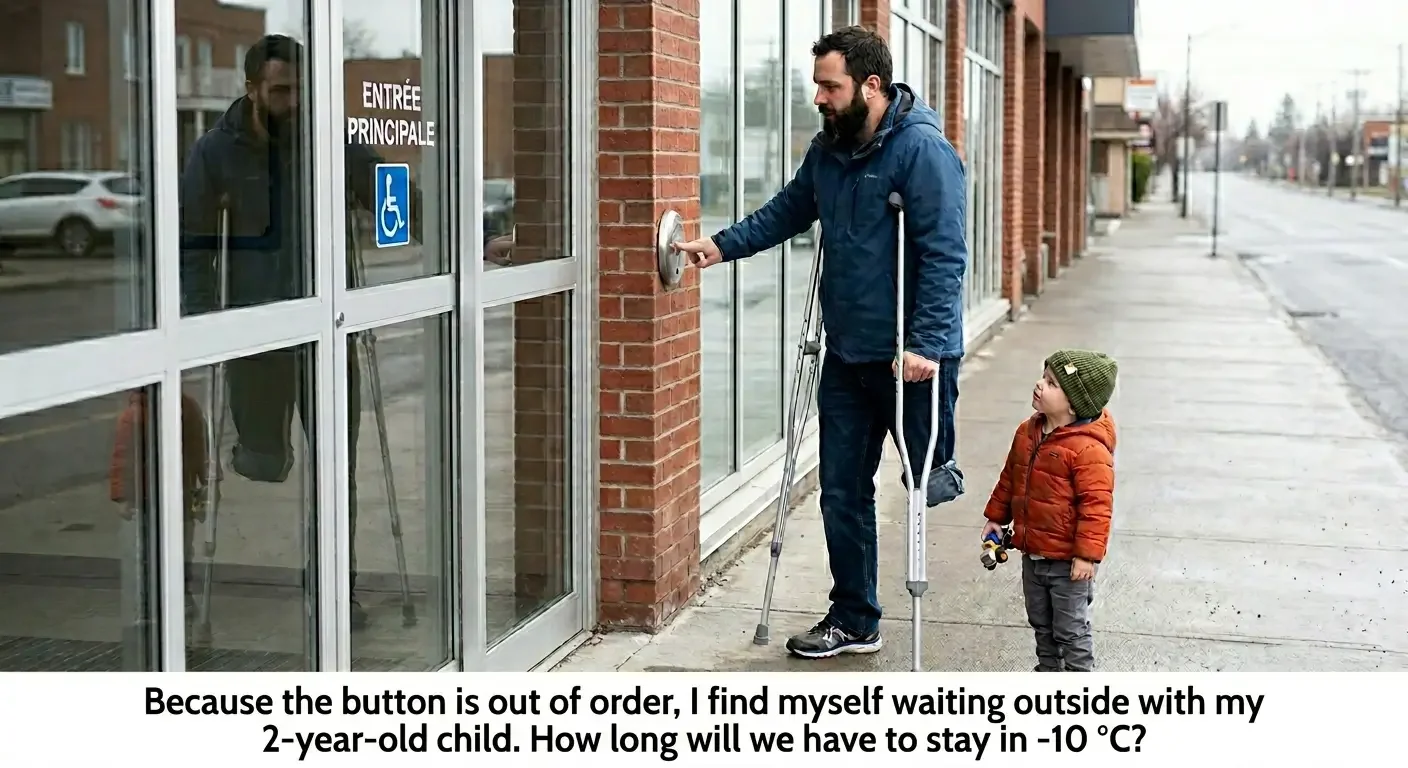
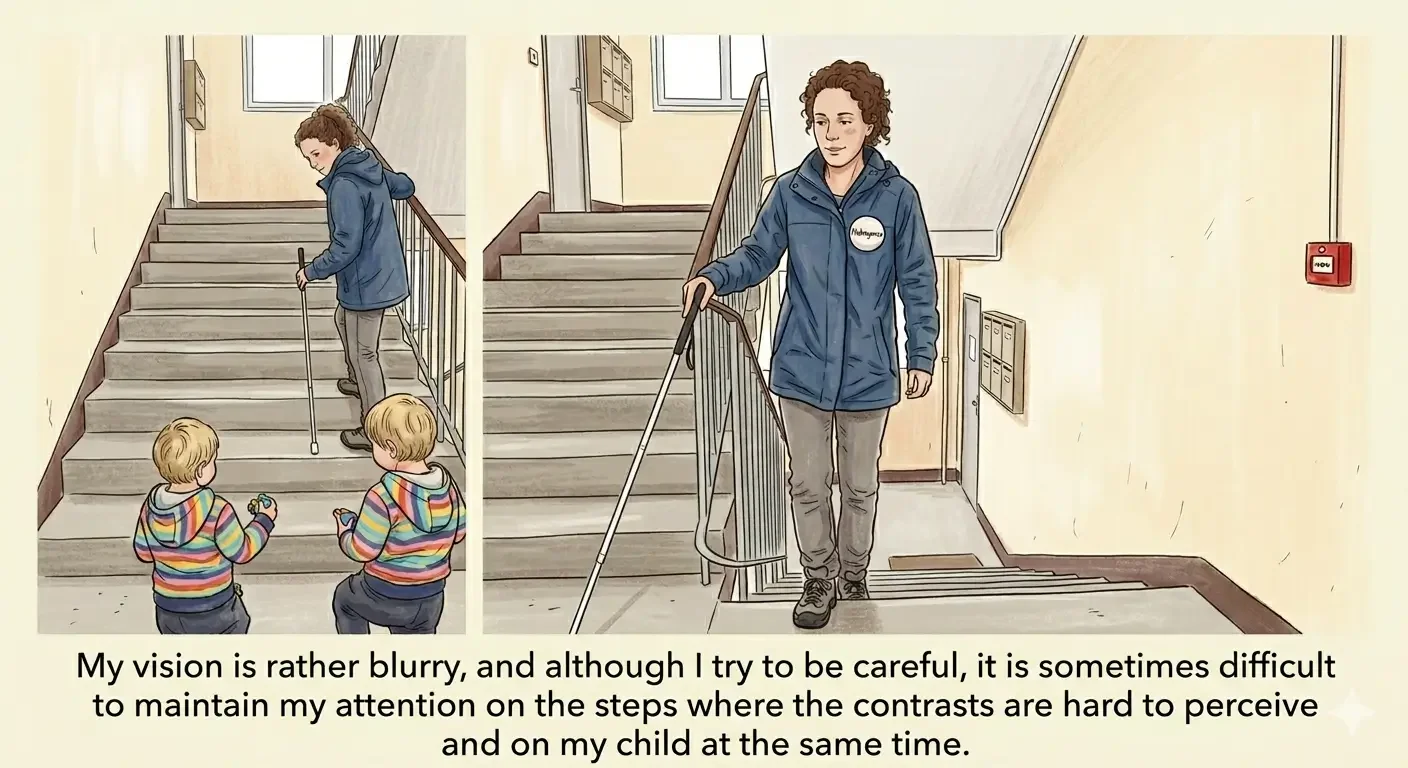
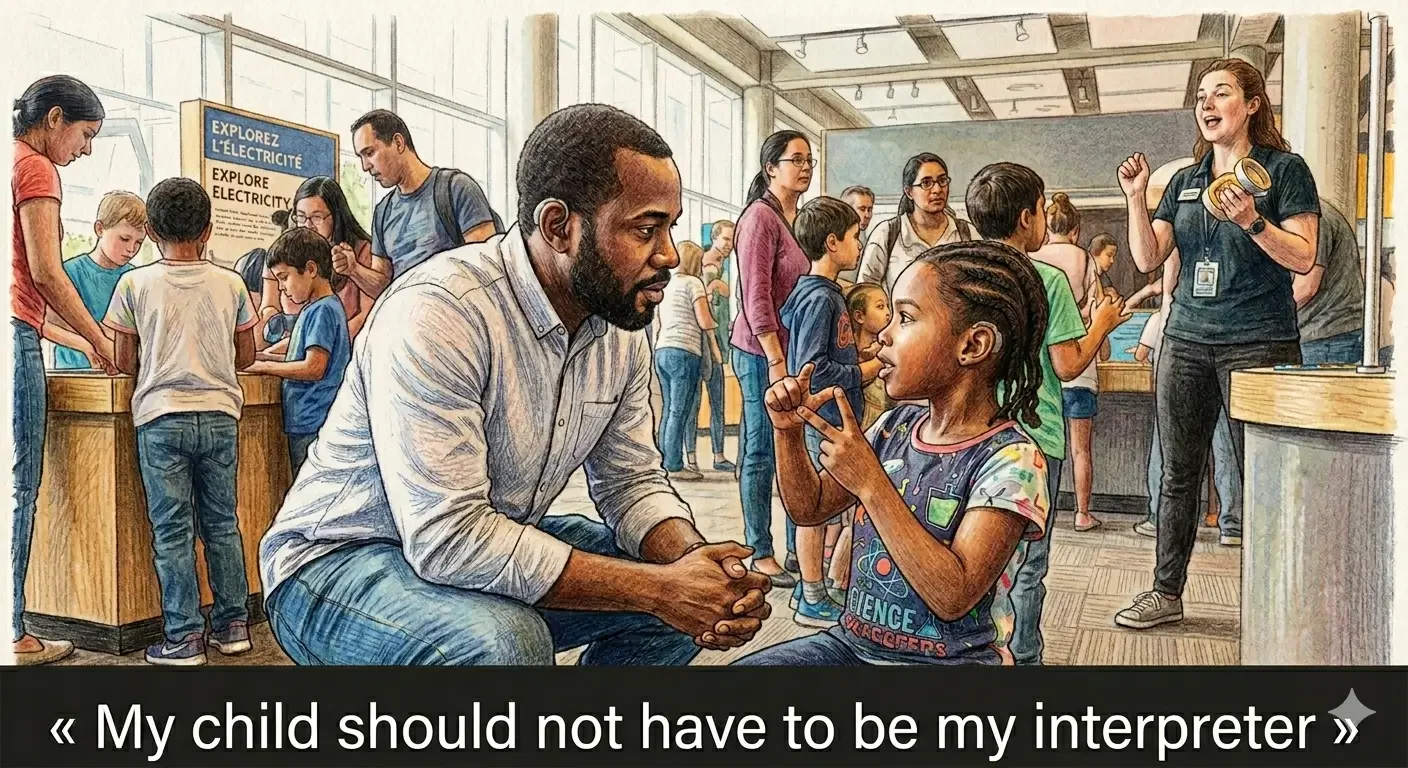
Ces images illustrent les défis réels liés à l’accessibilité ainsi que les possibilités de créer des communautés plus inclusives.
Approche dirigée par la Communauté
Cette recherche est guidée par les principes de justice pour les personnes en situation de handicap. Les parents en situation de handicap ne sont pas de simples participants ; ils sont des cochercheurs, des membres du comité directeur et des détenteurs de savoirs qui contribuent à orienter chaque aspect de ce projet.
Nous collaborons avec des organisations dirigées par des personnes en situation de handicap partout au Canada afin d’assurer une représentation authentique et une participation significative tout au long du processus de recherche.
Nos Partenaires








Impacts Attendus
-
Documenter les obstacles liés à l’accessibilité et les solutions possibles dans les secteurs relevant de la compétence fédérale.
Créer du matériel visuel et audio permettant de rendre visibles les expériences vécues auprès des décideurs et décideuses.
Établir des partenariats entre les parents, les organismes communautaires et les chercheurs et chercheuses.
Développer des pratiques exemplaires pour des méthodologies de recherche inclusives.
-
Contribuer au développement des normes canadiennes en matière d’accessibilité.
Favoriser des changements durables dans les politiques et les pratiques fédérales.
Créer un réseau national en matière d’accessibilité engagé envers l’inclusion des familles.
Contribuer à la création d’une exposition muséale itinérante mettant en valeur des récits de résistance, d’innovation et de transformation.