Partage des données
Comment Allons-Nous Partager Nos Apprentissages
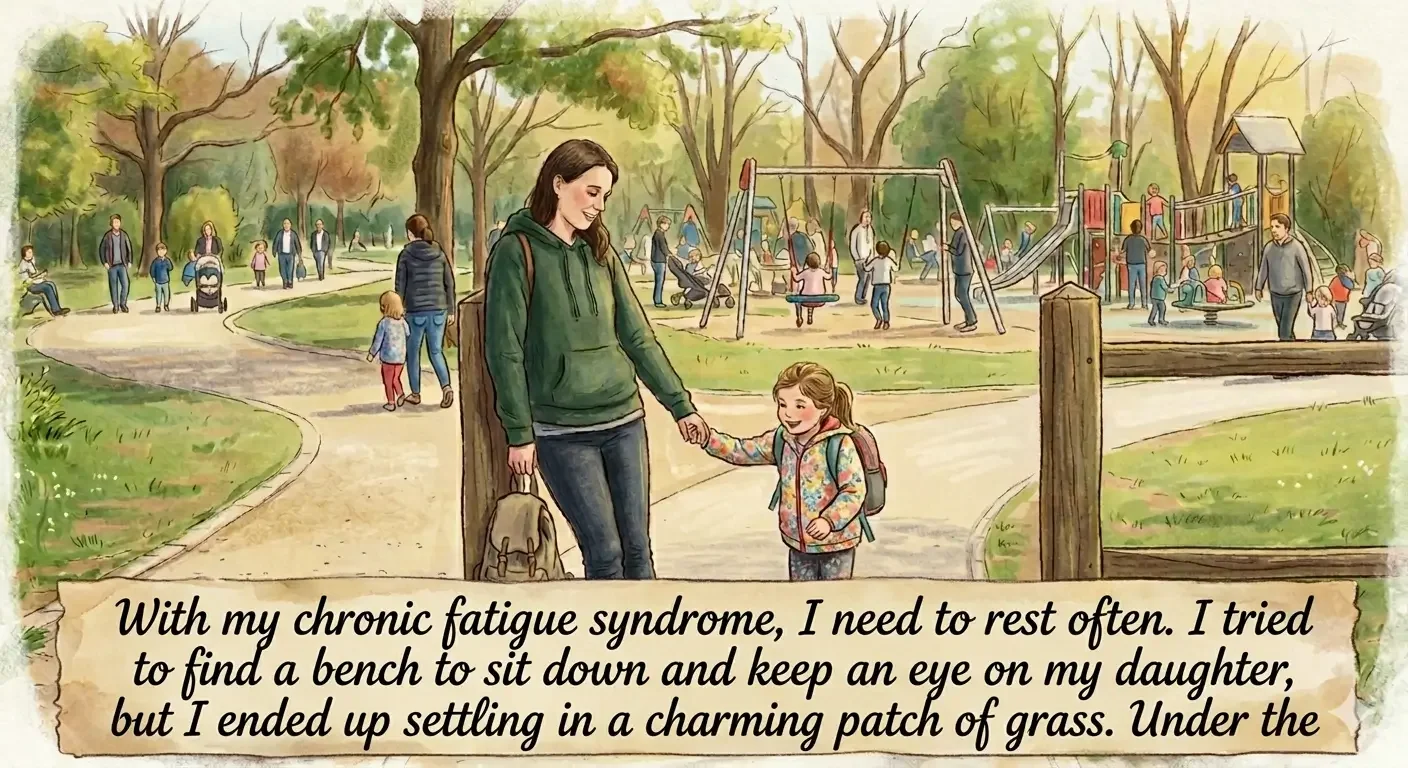
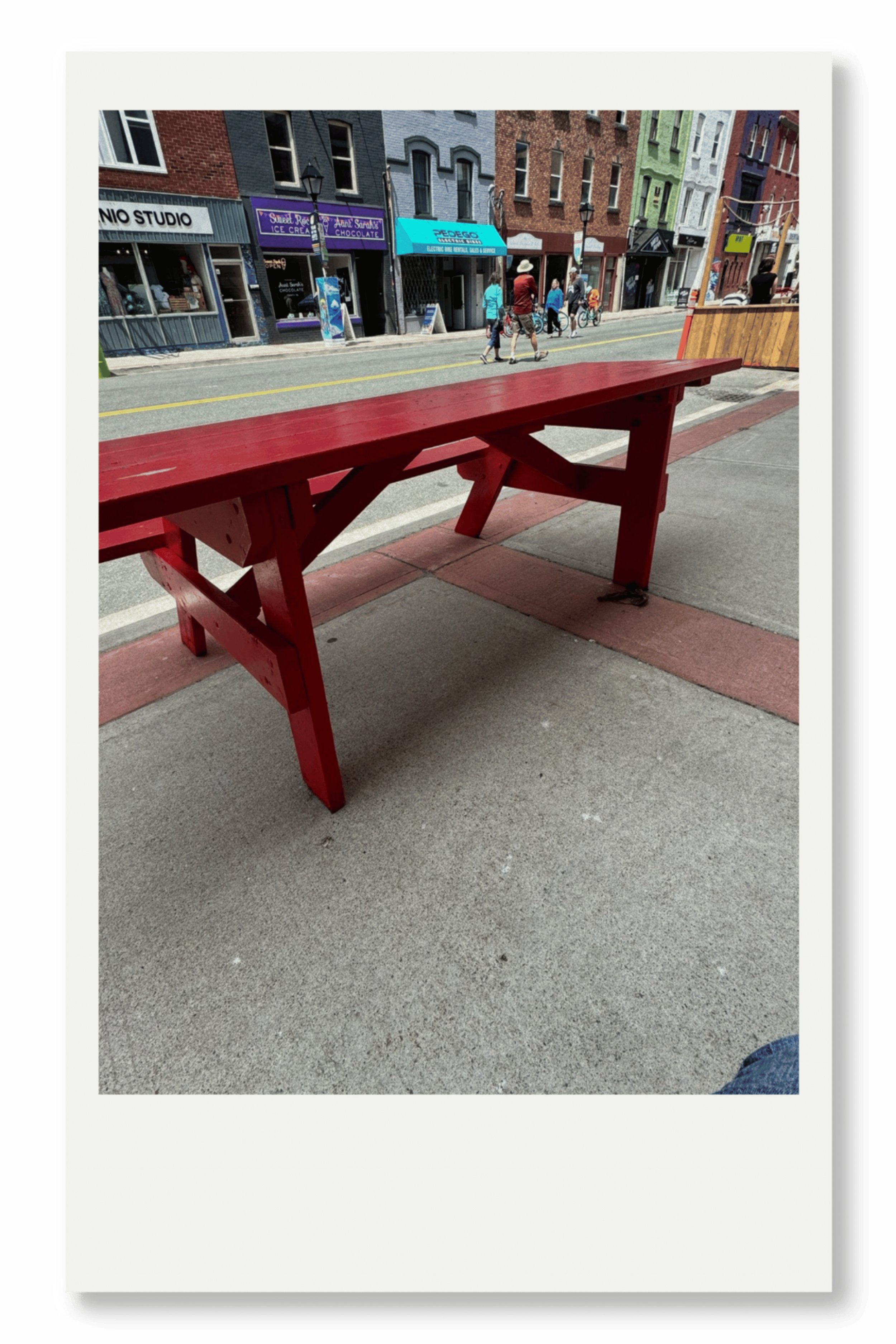
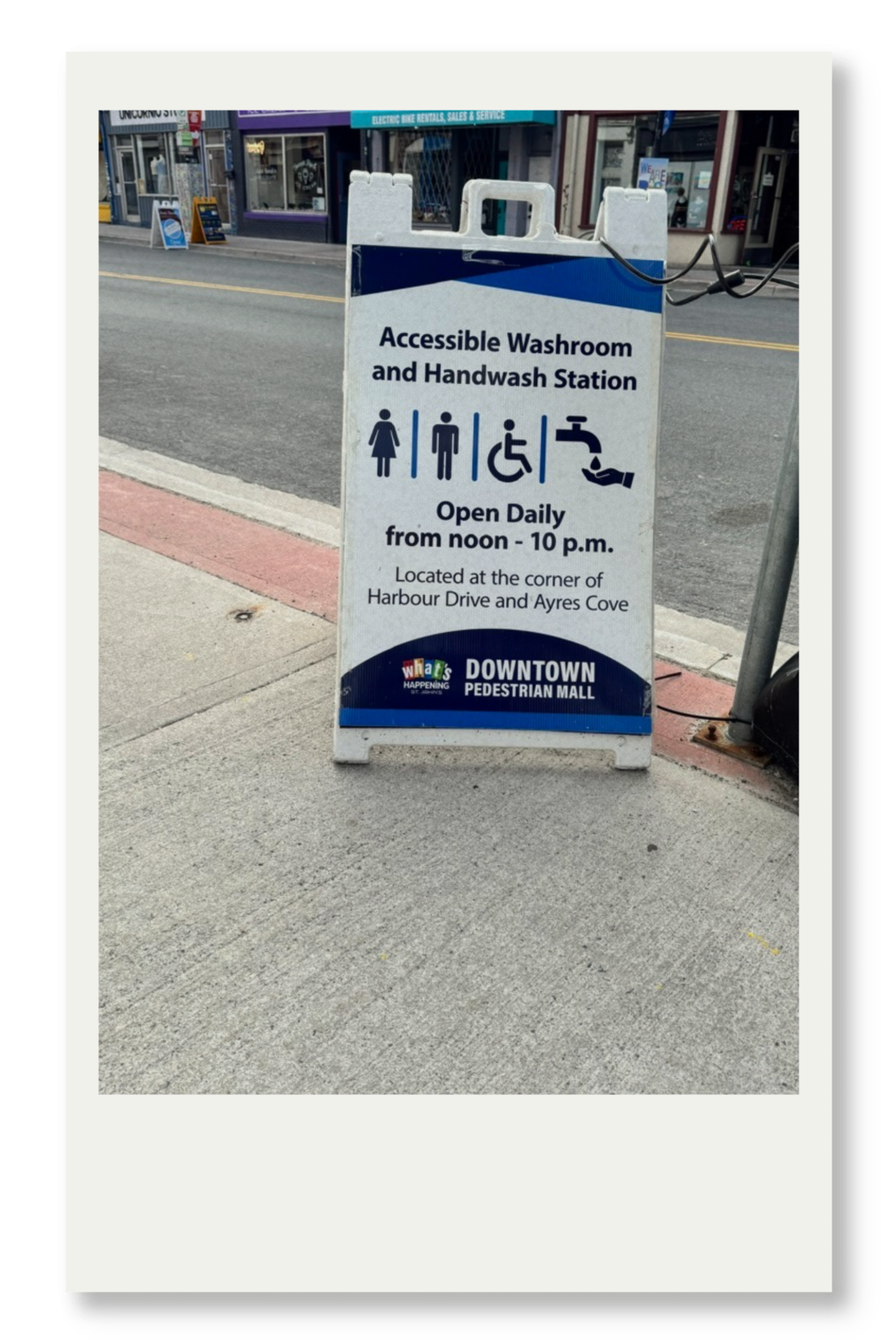
Vos photos, vos enregistrements audios et vos récits d’expérience sont de puissants leviers de changement. Lorsque les décideurs politiques, les architectes, les prestataires de services et le grand public peuvent voir et entendre ce que vivent réellement les parents en situation de handicap, il devient beaucoup plus difficile d’ignorer les obstacles à l’accessibilité.
Ce Qui Va Être Partagé
Avec votre autorisation explicite, nous partagerons :
PHOTOGRAPHIES
Documentation visuelle de :
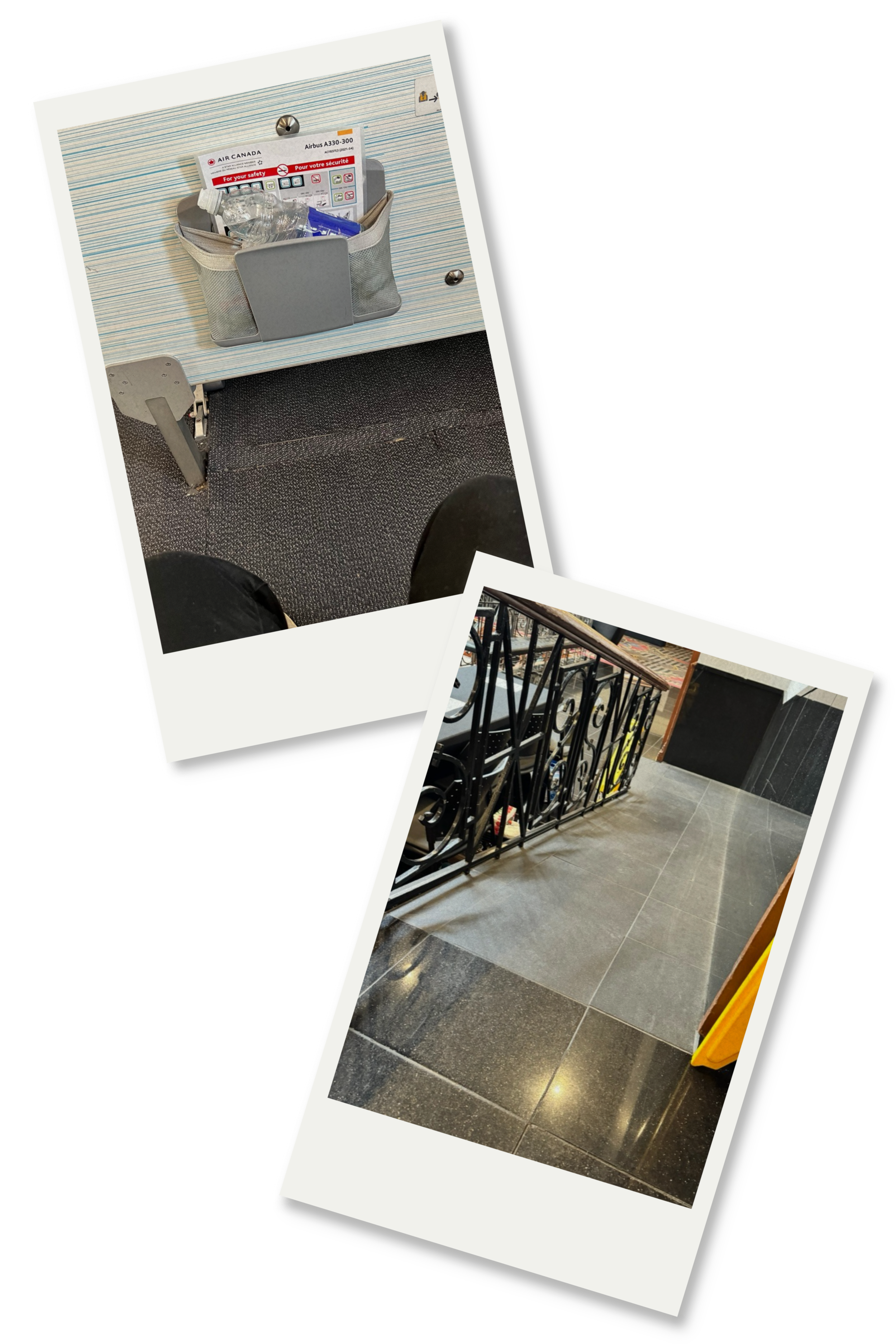
Obstacles architecturaux (rampes non conformes, portes étroites, absence d’ascenseurs)
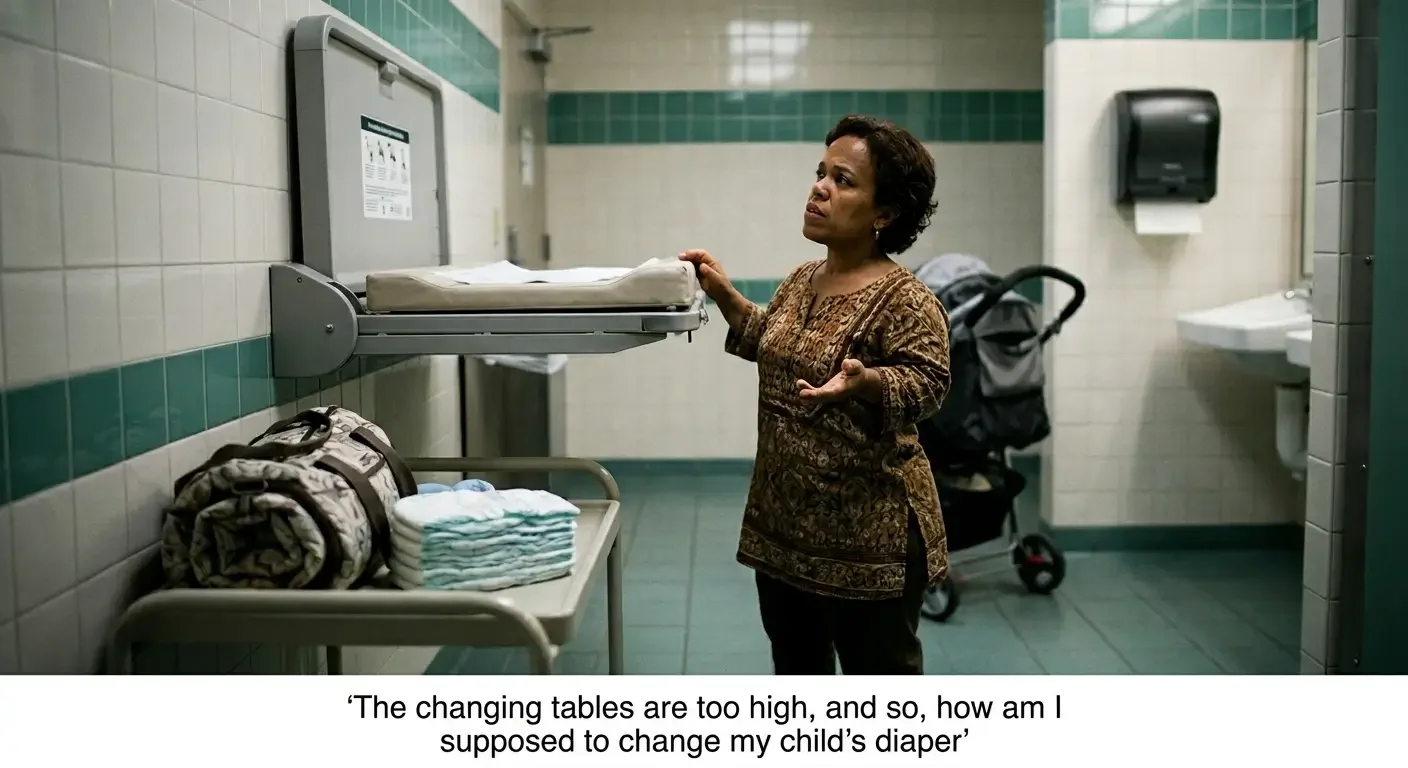
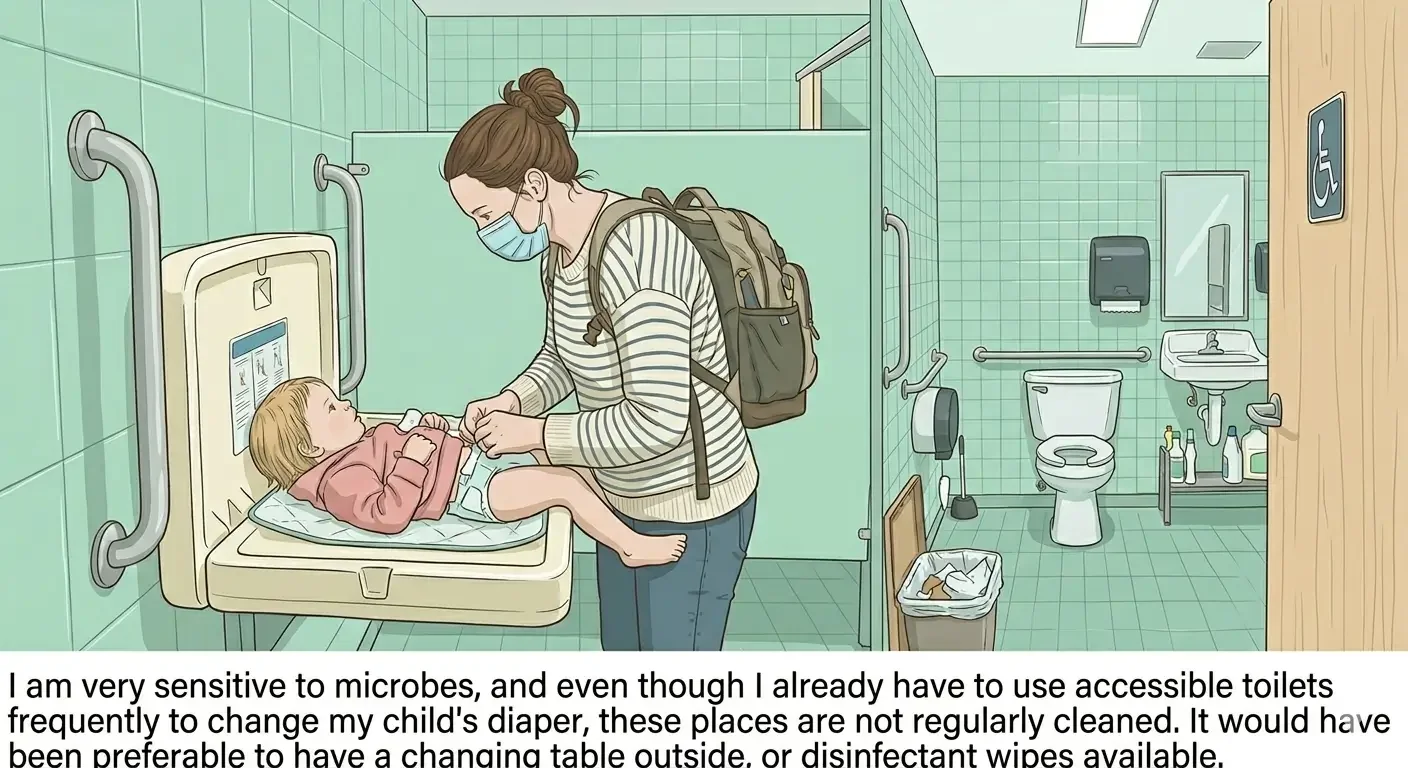
Lacunes dans les services (absence de tables à langer, billetteries incessibles)
Exemples positifs (terrains de jeux bien conçus, toilettes familiales accessibles)
Défis environnementaux (obstacles sur les voies piétonnes, problèmes de signalisation)
ENREGISTREMENTS AUDIOS
Mémos vocaux présentant :
Vos explications sur les obstacles auxquels vous faites face
Des récits de vos expériences
Des descriptions de la manière dont les problèmes d’accessibilité affectent votre famille
Vos recommandations de solutions
Le contexte émotionnel que les photos seules ne peuvent pas transmettre
TEXTES ÉCRITS
Descriptions incluant :
Des récits détaillés des défis liés à l’accessibilité
Des exemples précis de l’impact des obstacles sur votre rôle de parent
Des suggestions d’améliorations
Le contexte concernant les besoins de votre famille
Où Le Matériel Sera Partagé
MÉDIAS SOCIAUX
Plateformes: Instagram, LinkedIn, potentiellement d’autres
Objectif : Atteindre un large public, sensibiliser, susciter des conversations
Links:
EXPOSITION DE MUSÉE
Partenariat : Conseil des Canadiens avec déficiences
Objectif : Créer un registre public durable, éduquer les visiteurs, préserver les récits
Mises à jour :
CONFÉRENCES & PRÉSENTATIONS
Publics : Professionnels de l’accessibilité, chercheurs, décideurs politiques, concepteurs
Objectif : Impact direct sur les personnes qui créent les normes et les politiques
Mise à jour :
PUBLICATIONS ACADÉMIQUES
Format : Articles de revues évalués par des pairs
Objectifs : Contribuer aux connaissances de la recherche, influencer la compréhension universitaire
Mises à jour :
RAPPORTS ET NOTES DE POLITIQUE
Publics : Responsables gouvernementaux, organisations de défense des droits, prestataires de services
Objectif : Traduire la recherche en recommandations exploitables
Mises à jour:
Exemples
-
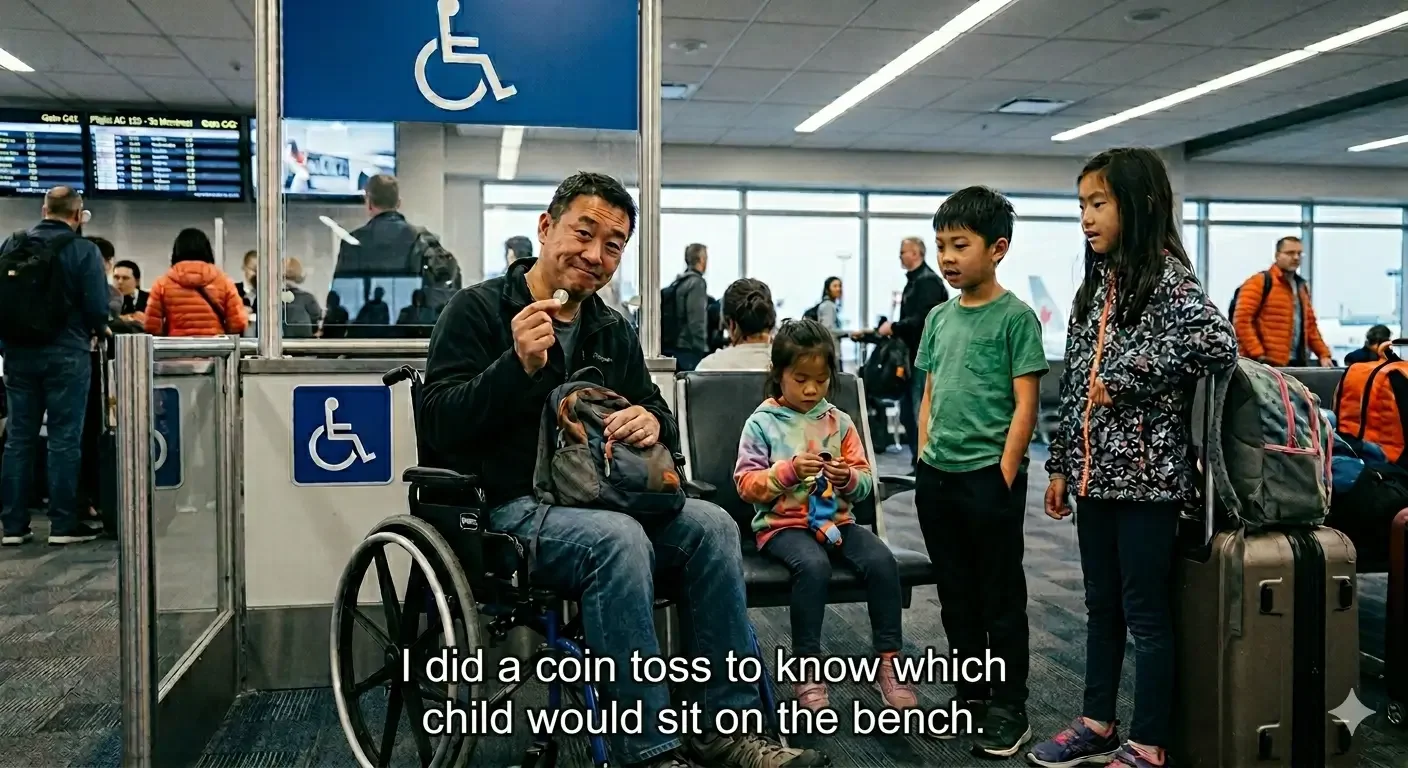
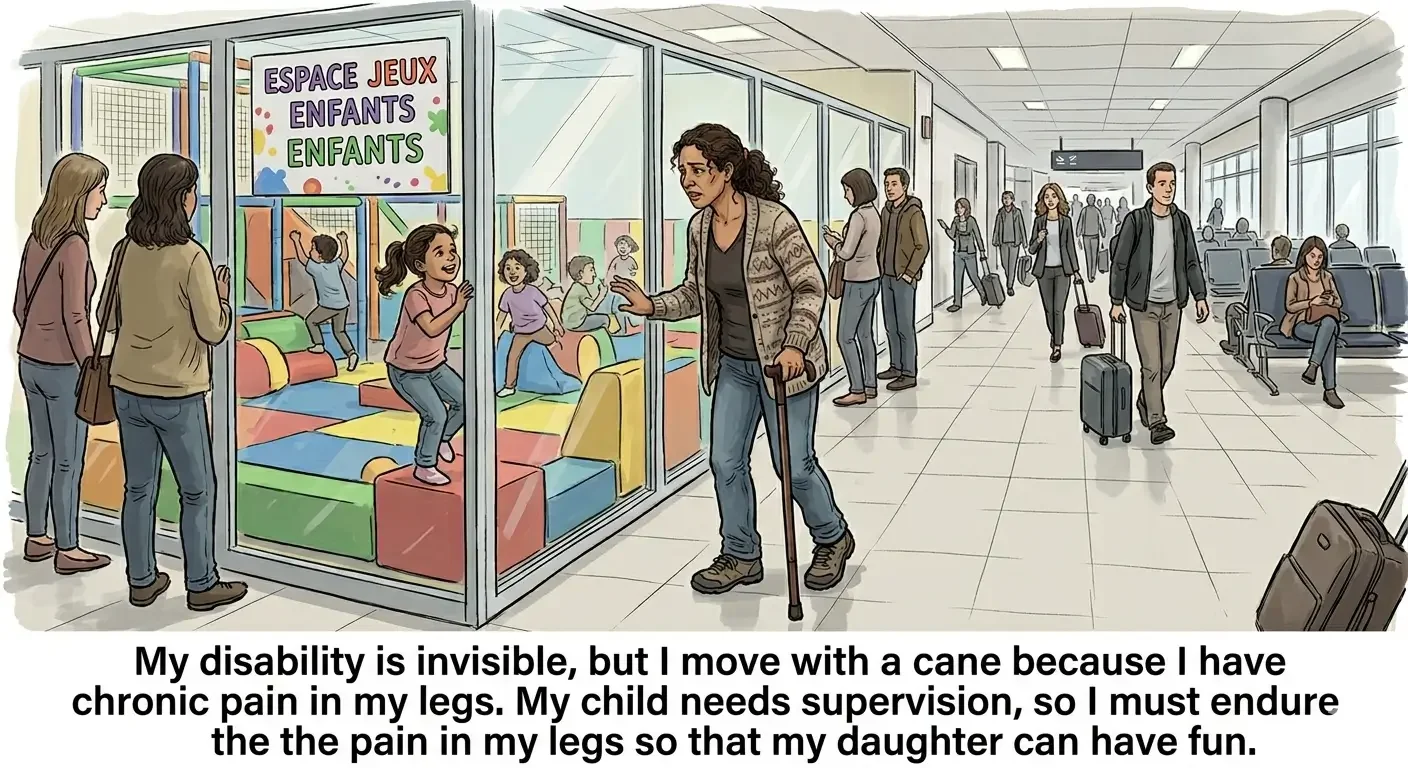
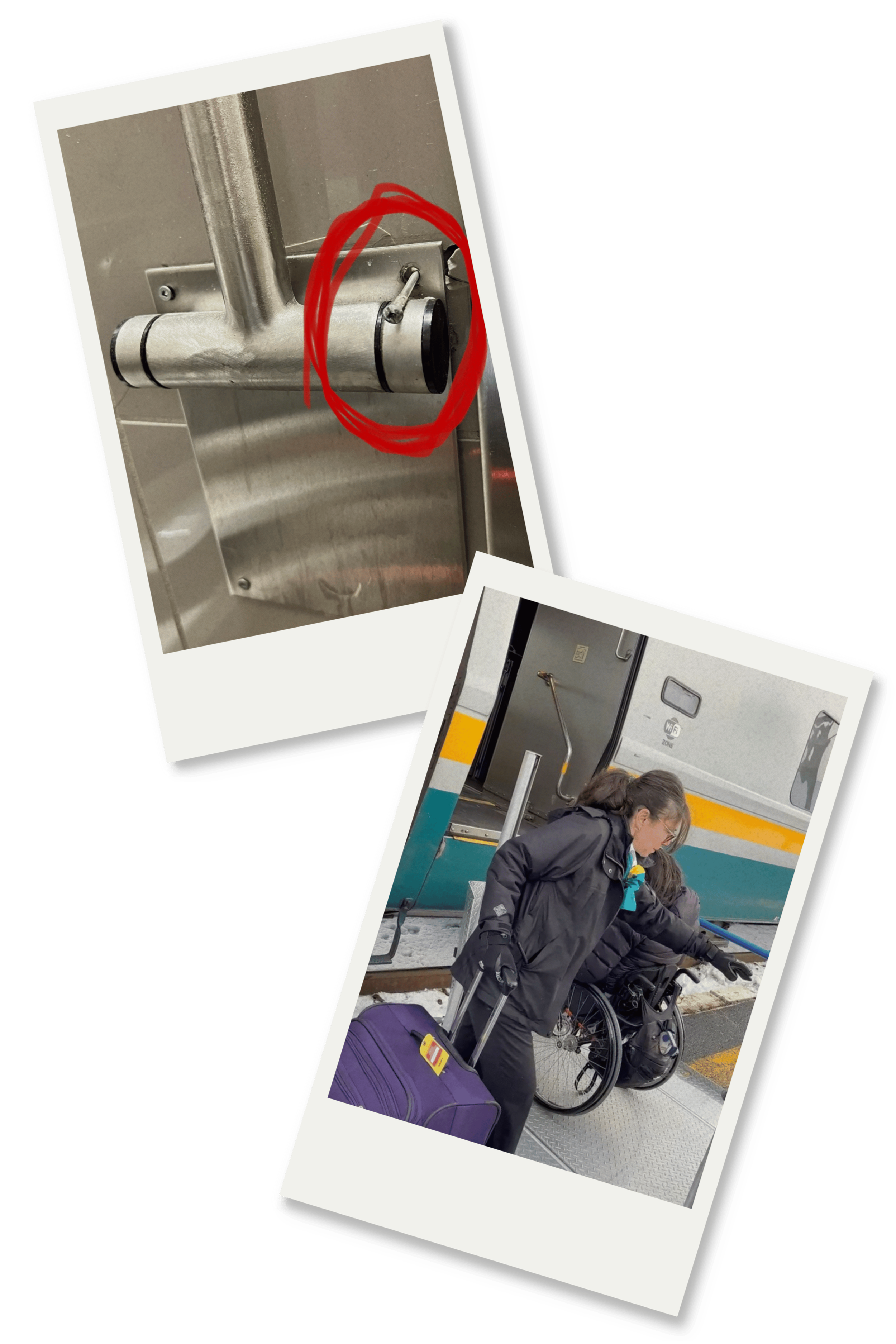
Aéroports, gares ferroviaires et terminaux de traversiers
Acheter des billets et traverser les processus d’embarquement
Gérer les bagages, les enfants et les aides à la mobilité
Se déplacer dans les points de contrôle de sécurité
Accéder aux toilettes et aux installations familiales
Faire face aux annulations ou aux changements de dernière minute
-
Accessibilité des aires de jeux
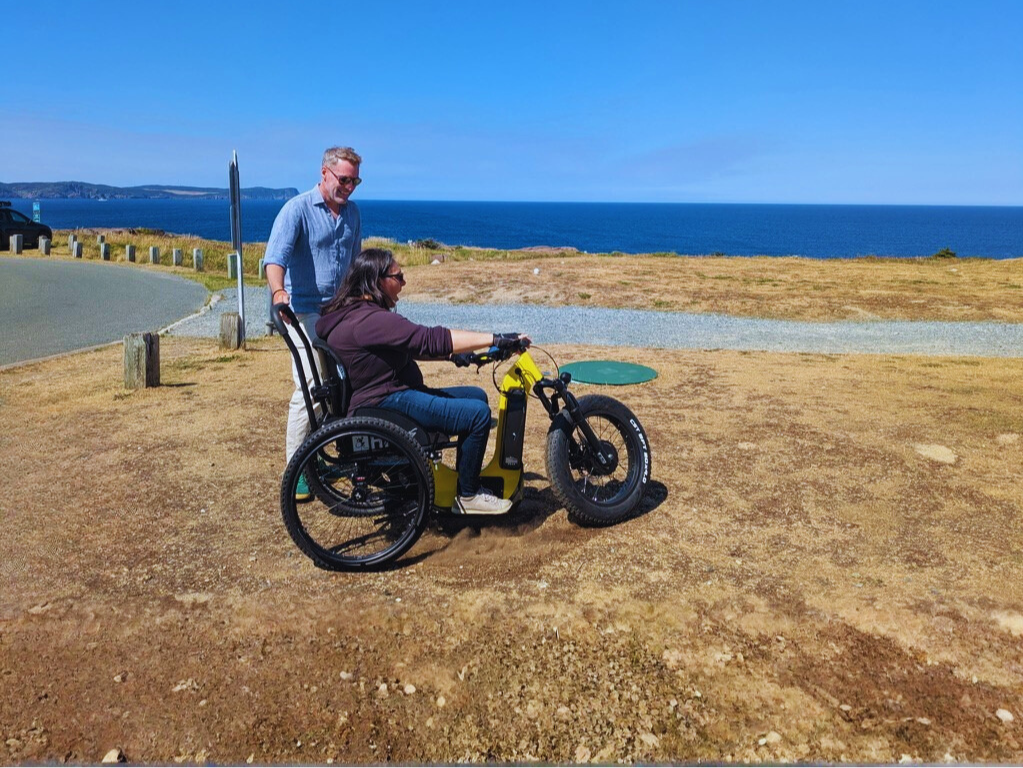
Accessibilité des sentiers pour les familles utilisant des équipements de mobilité
Aires de pique-nique et de repos accessibles
Stationnement et accès aux installations accessibles
Disponibilité d’équipements accessibles (p. ex., poussettes adaptées)
-
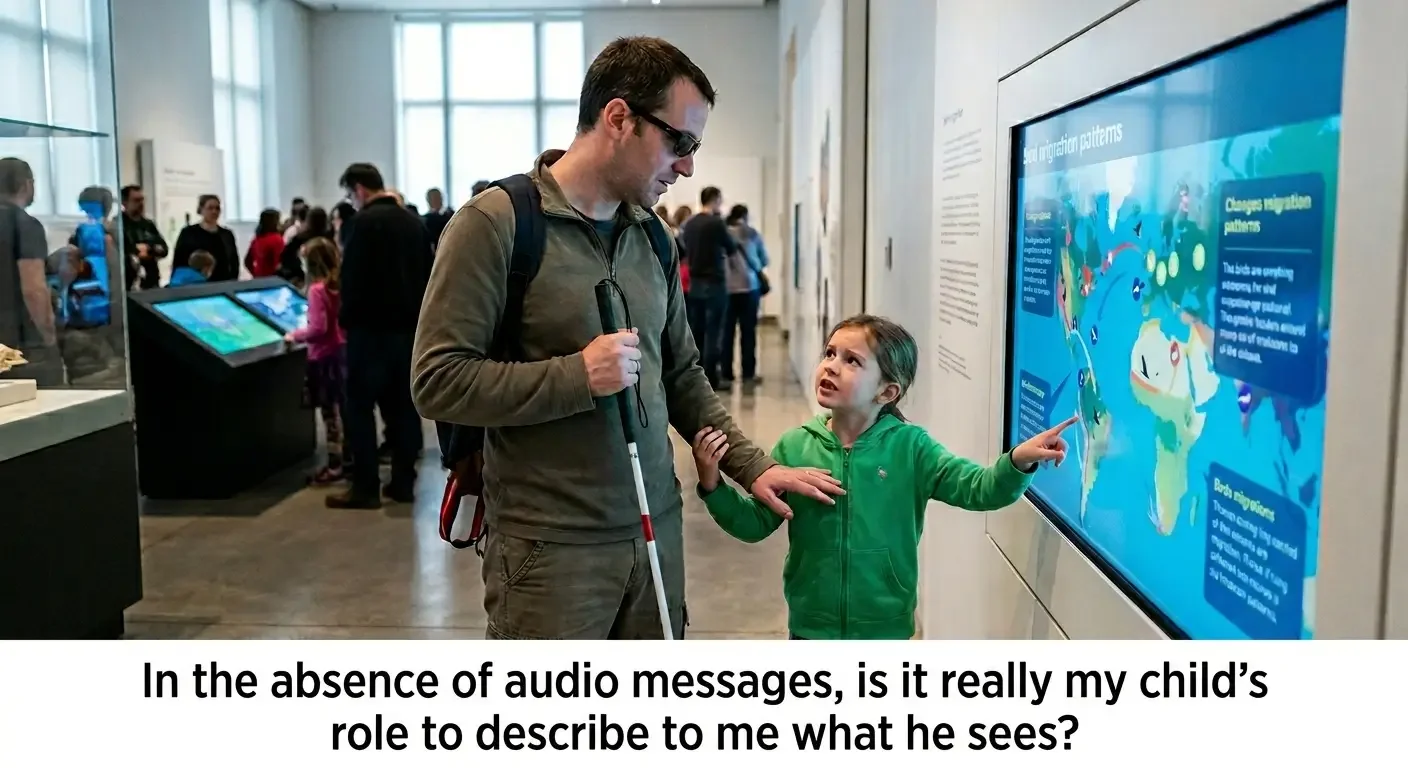
Se déplacer dans les expositions avec des enfants
Accéder aux boutiques de souvenirs avec des poussettes ou des aides à la mobilité
Accéder aux toilettes familiales
Utiliser des installations interactives conçues pour les enfants
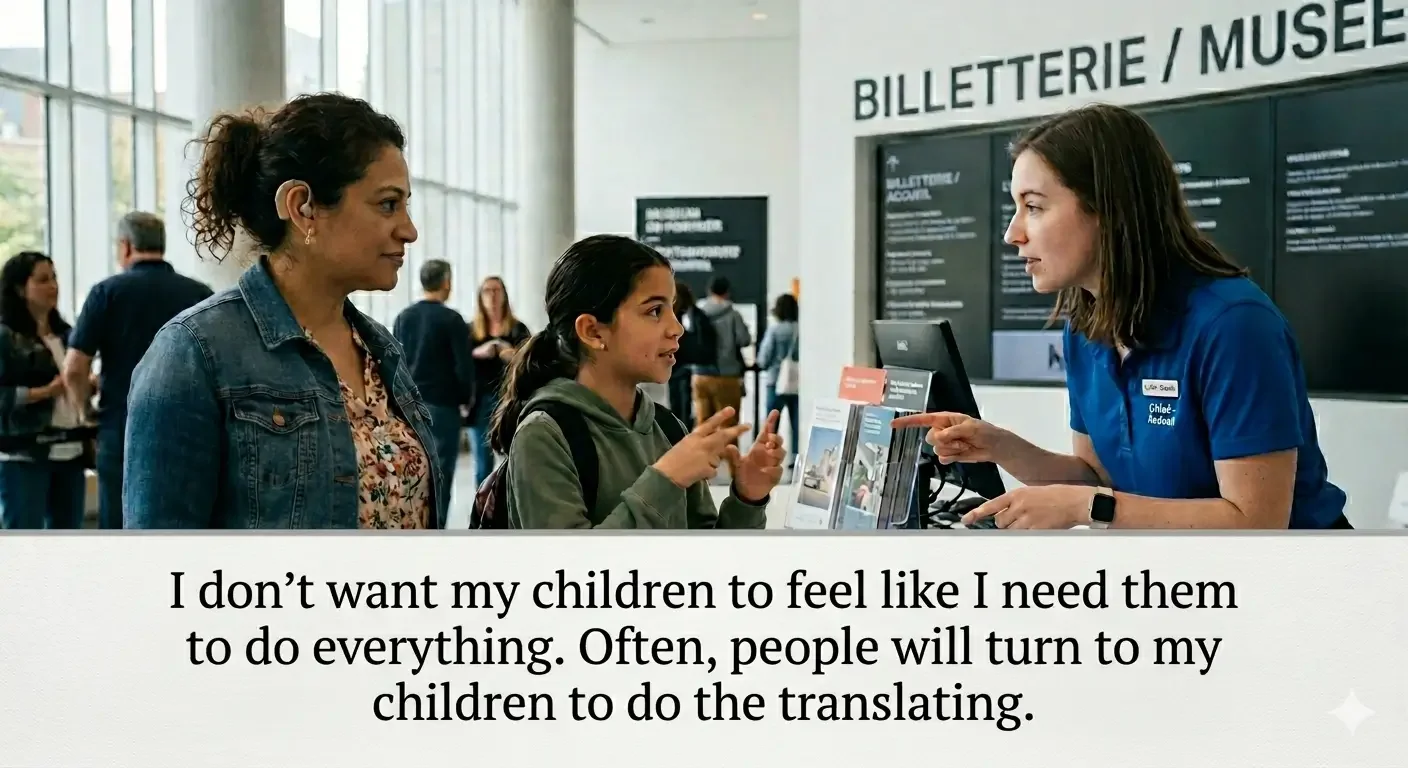
Interactions avec le personnel et soutien offert
-
Banques (ouvrir un compte pour ou avec un enfant)
Bureaux des passeports (remplir les formulaires, se présenter avec des enfants)
Édifices gouvernementaux (accéder aux services en tant que parent)
Interactions avec les employés du gouvernement fédéral
Attitudes et préjugés du personnel envers les personnes en situation de handicap
Accessibilité dans la Vie Quotidienne
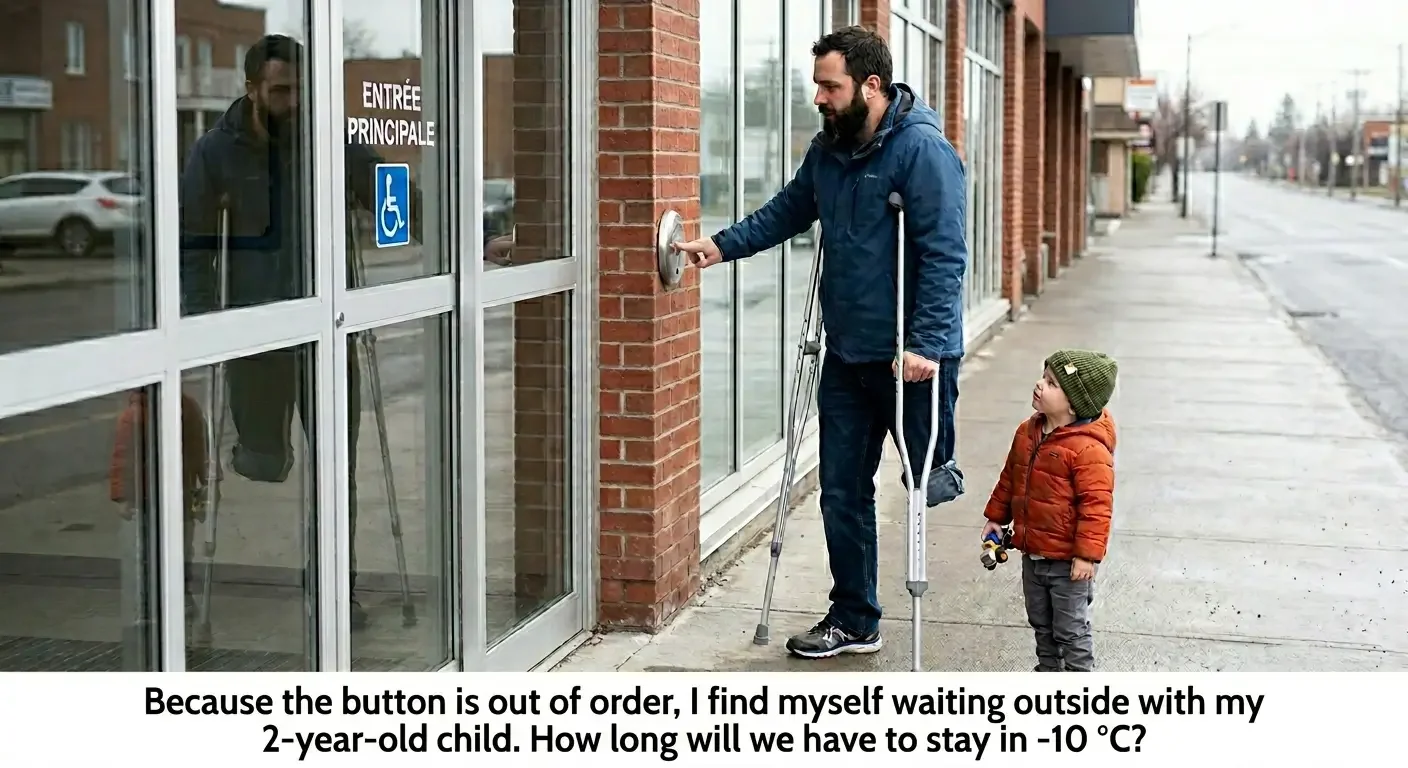
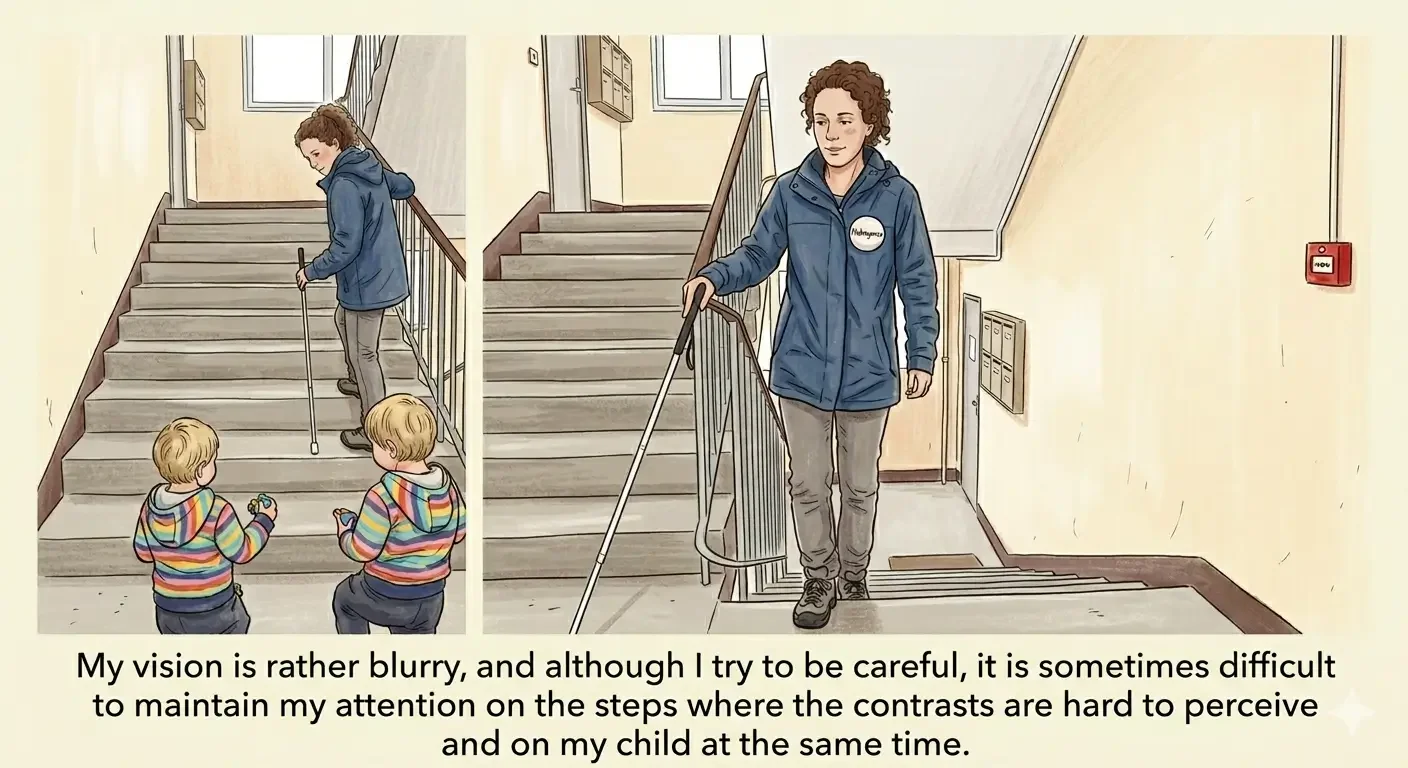
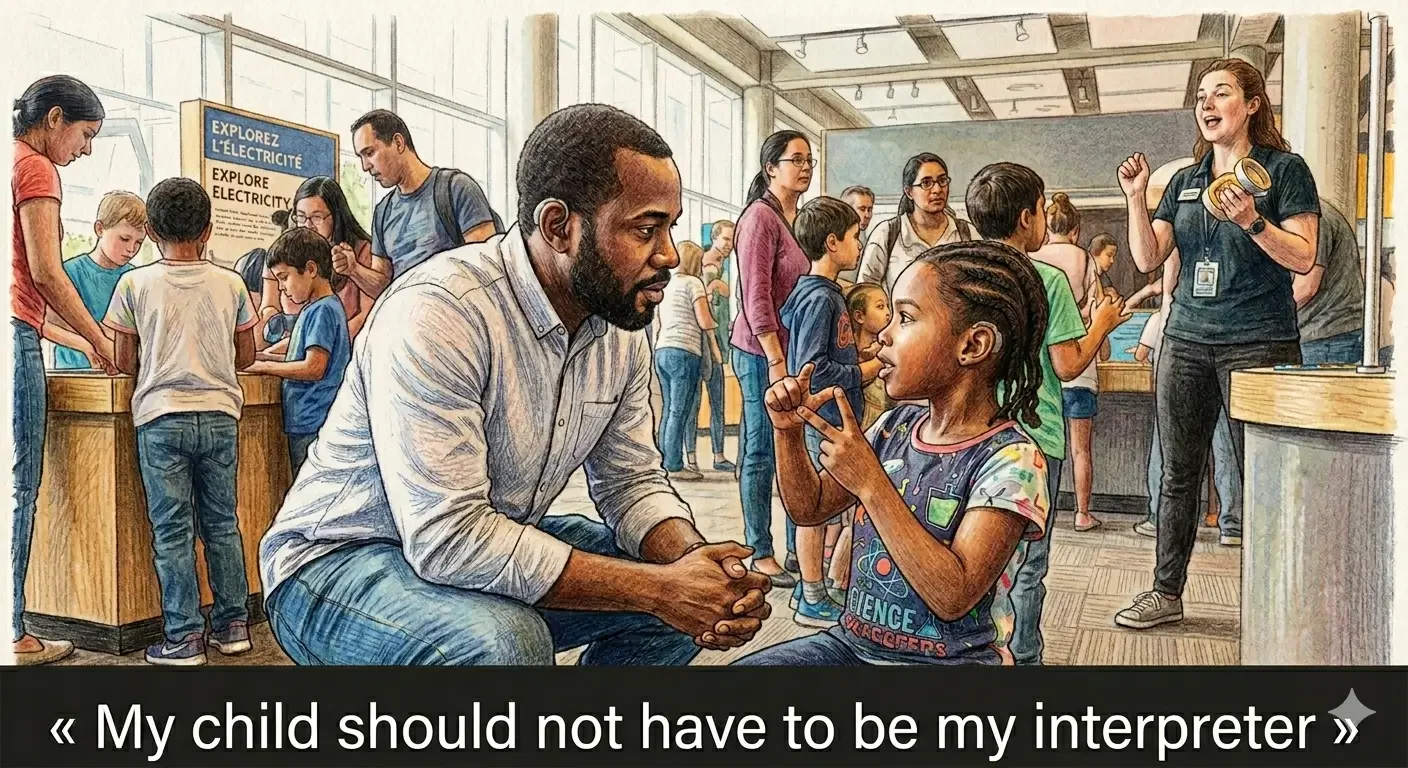
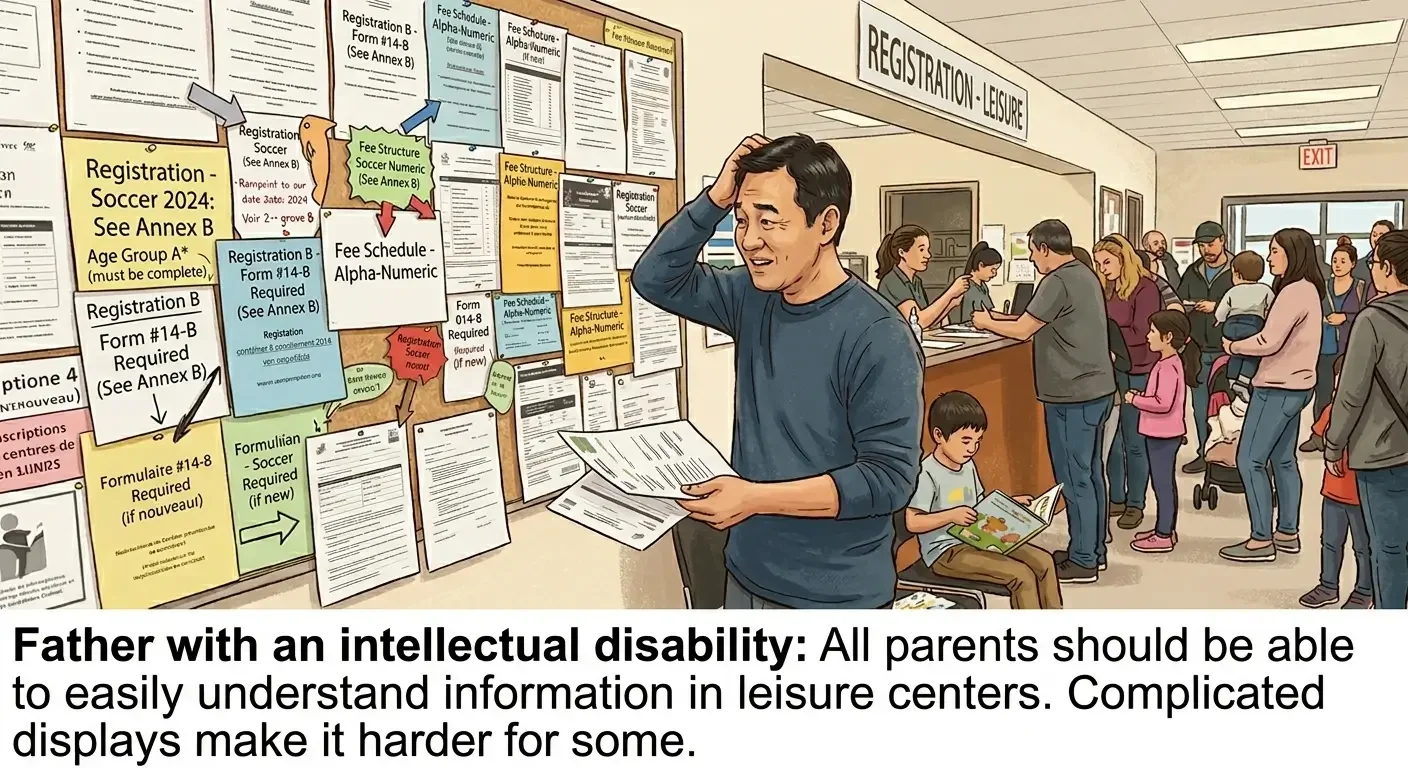
Ces images illustrent les défis réels liés à l’accessibilité ainsi que les possibilités de créer des communautés plus inclusives.